
गङ्गे च यमुने चैव गोदावरि सरस्वति ।
नर्मदे सिन्धु कावेरि जलेऽस्मिन् संनिधिं कुरु ॥
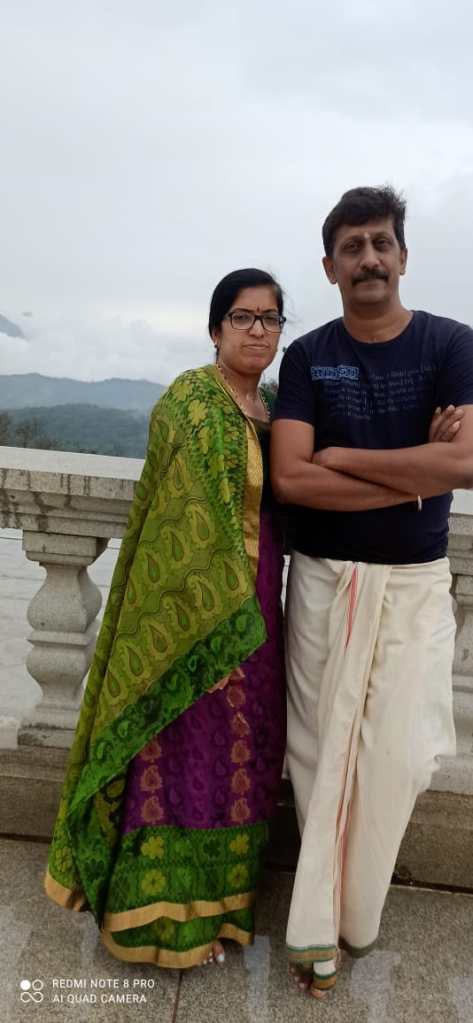
I invoke the blessings of Mother Kaveri and begin this post. Kaveri is also known as Dakshina Ganga, the Ganga of south. Civilizations have sprouted and thrived around rivers. The importance of rivers is not unknown. The holy land of Bharata is home to many rivers, out of which 7 major rivers gets mentioned in scriptures. One of the major rivers in the South is river Kaveri. This post is a chronicle of Kaveri yatra undertaken by Yoga guru Nandini with her husband Shreesha. She did an yatra along the path of river Kaveri , Starting from the origin of Kaveri to till it enters the sea.
Fast facts about Kaveri
- Length of river: 800 kms, flows in the state of Karnataka for 320 kms and then enters state of TamilNadu and flows for nearly 480 kms before entering the Sea
- Known origin: Talakaveri in Karnataka
- Ends at: Poompuhar, Bay of Bengal,
- 6 tributaries join Kaveri
- 3 Major Islands are formed along her path
- 3 major confluences along the path of river
River Kaveri is very pious and revered to people in the region of Karnataka and Tamilnadu. It holds immense cultural, historical, and religious significance for the people living in these states. The river is often considered a sacred entity, and its waters are used for various religious ceremonies and rituals. The Kaveri River also plays a crucial role in the agricultural and economic activities of these regions, making it not only a symbol of spirituality but also of livelihood and sustenance.
Kaveri yatra holy sites: Talakaveri -> Bhagamandala -> SriRangapatana -> T.Narsipura -> Shivana Samudra ->Bhavani Sangama -> Nattatreeshwarar -> Akhanda Kaveri -> SriRangam Ranganatha kovil -> Jambukeshwara koil -> Kallanai -> Grand Anecut -> Appankudathan Kovil -> Thiruvayoor -> Brihadeshwara -> Sarangapani, Kumbakonam -> Parimala Ranganathar koyil-Mayavaram -> Poompuhar – Kaveri river meets Ganga sagar ( Bay of Bengal)
Along course of river, there are very prominent holy places. There are temples dedicated to Lord Vishnu, the preserver. There are temples dedicated to other deities too but 2 very significant yatras are undertaken by people of Karnataka and Tamilnadu – Tri-ranga darshana and pancharanga darshana. Read on to find out more about these temples.

River origin – Talakaveri
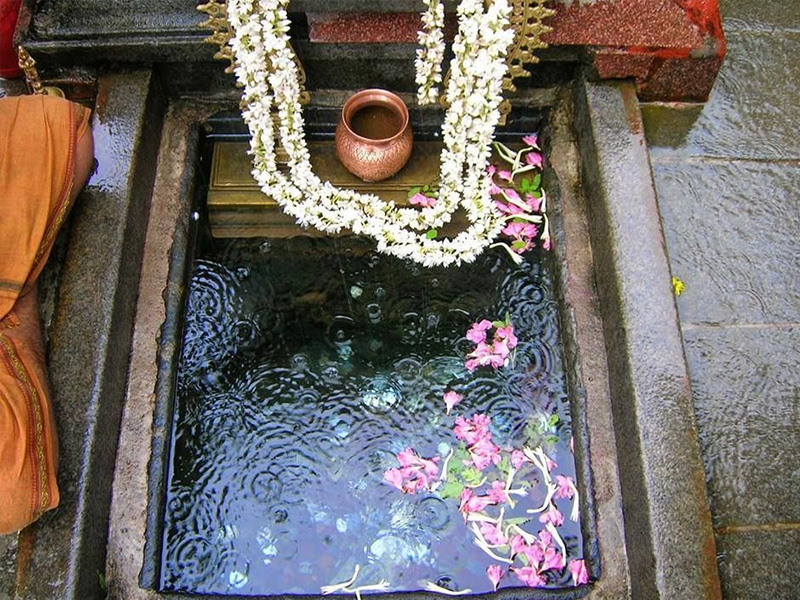
It is said that Sage Agastya was in mediation when lord Ganesha taking form of crow nudged Agastya’s kamandala (a pot of water carried by vedic sages), causing water from it to spill. In some versions, it is said that Lopamudra, wife of Sage Agastya, resides as water inside the sages kamandala. This water flows down forming the river Kaveri. In present day, the place where the river originates is known as Talakaveri in brahmagiri hills, western ghats.
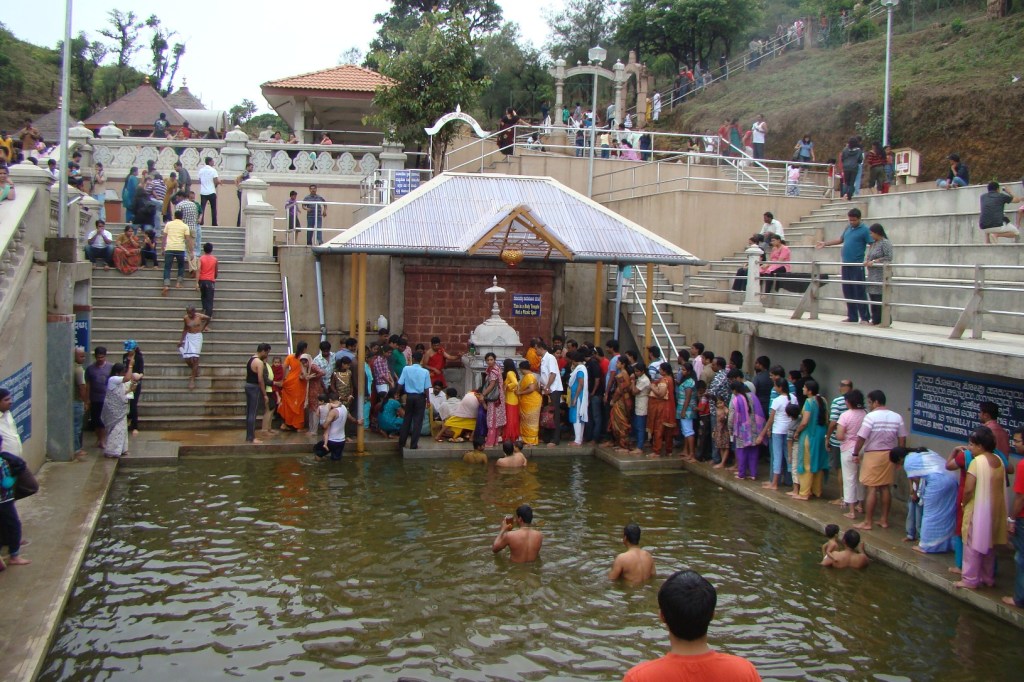
Talakaveri is a very holy place for kodavas. It is located near brahmagiri in Kodagu. There is a small tank constructed around the natural spring where kaveri originates. Every year on tula sankramana, kaveri raises and flows like a fountain of milk. Thousands of people visit talakaveri on this day to witness the event.
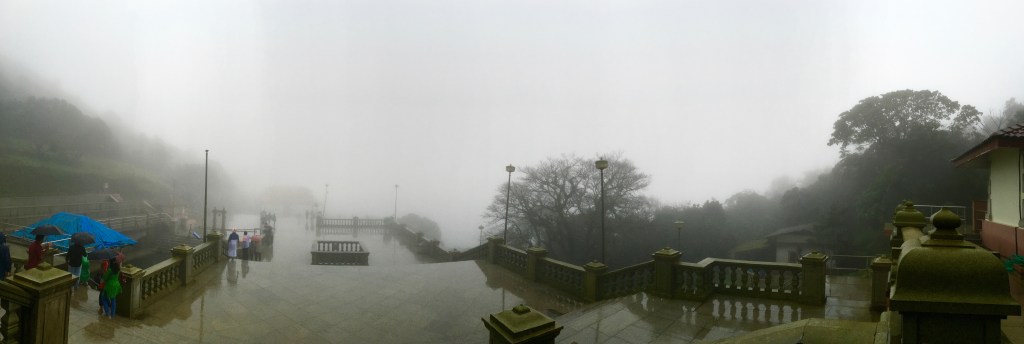
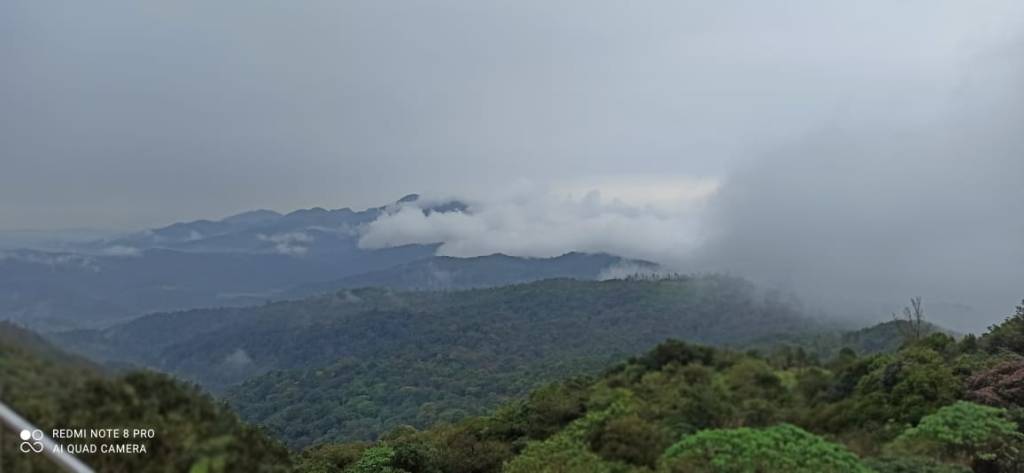
It is also a splendid place. Its surrounded by mountains and is mesmerizingly beautiful during monsoon.
1st Major Confluence – Bagamandala
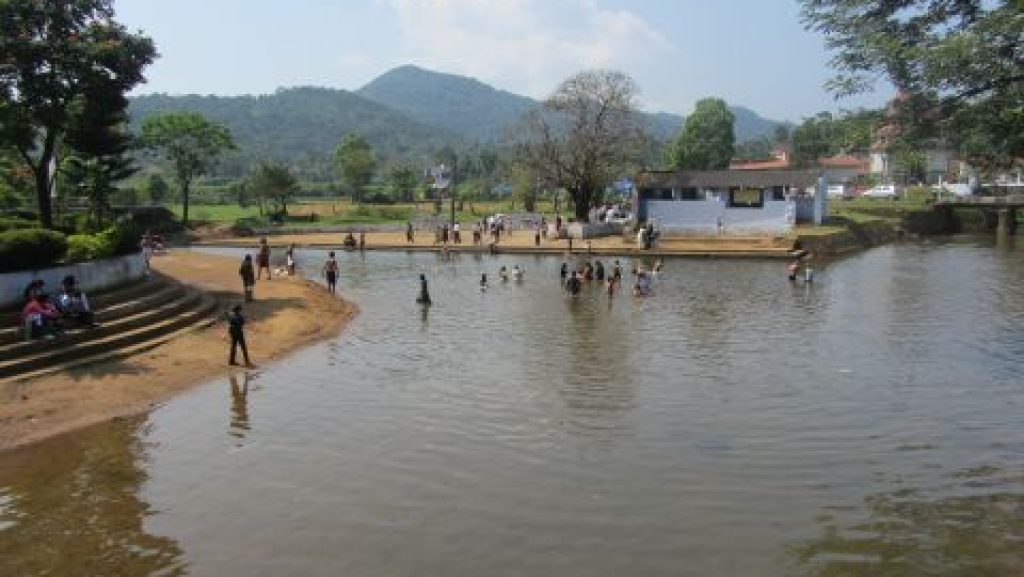
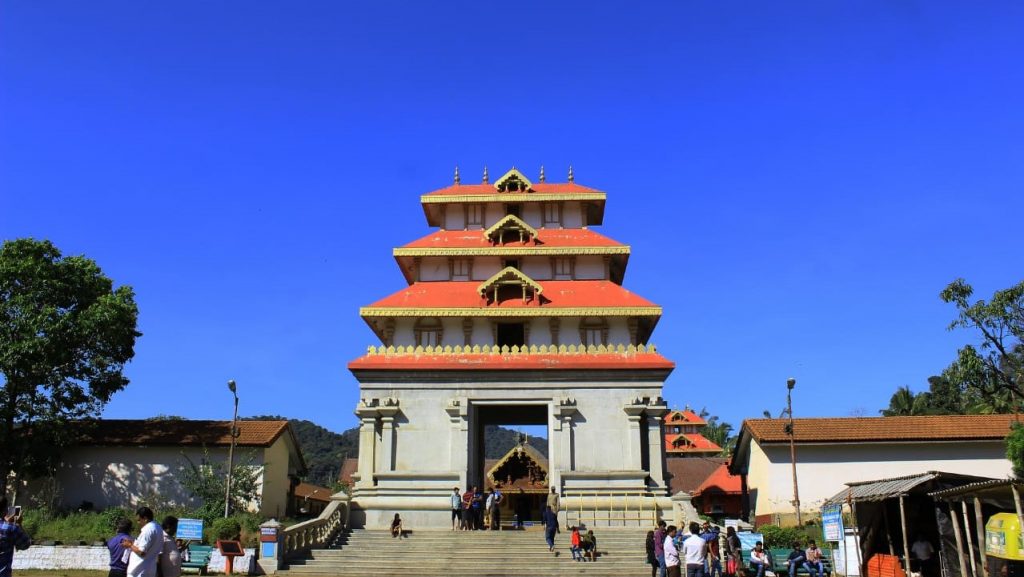
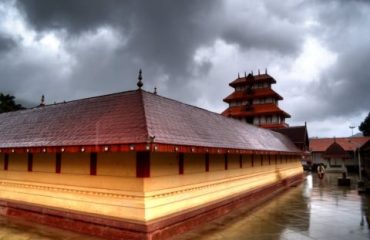
A little away from the origin, in a place called Bagamandala, 2 more rivers Kannika and Sujyothi (Guptagamini or mystical river) join Kaveri. On the banks is the famous Bhagandeshwara temple. This place is very neat and very clean.
Kodavas take a dip in this confluence prior to visiting Talakaveri.
Adi Ranga/ 1st Pancharanga –SriRangapatana
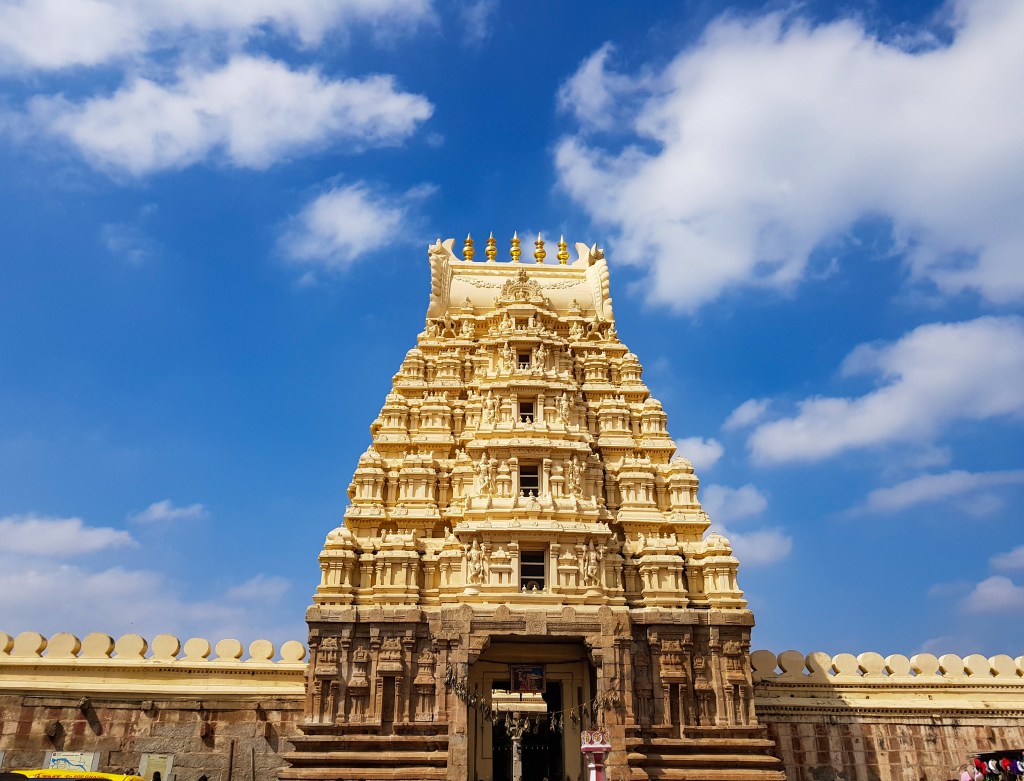
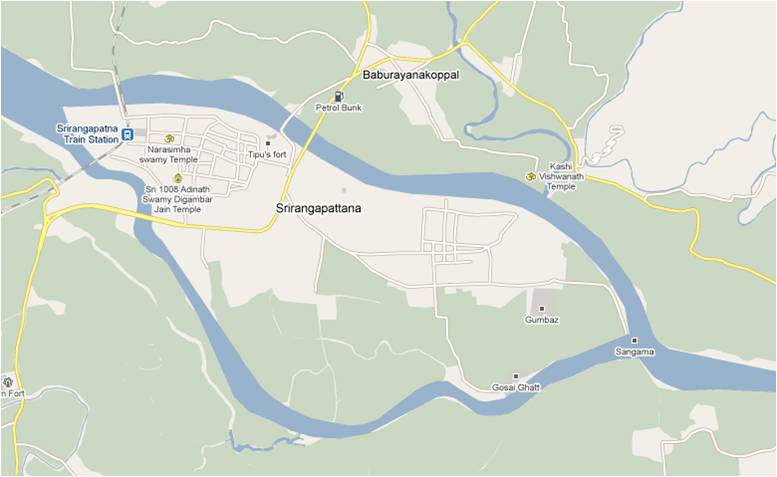
SriRangapatana is a famous a famous town in Mandya district, Karnataka. It is home of Shri Ranganatha swami who is seen in a reclining position and facing devotees.
Kaveri splits before the temple and flows on either side of the temple and then meets another river, lokapavani.
2nd Major Confluence – Tirumakudalu Narasipura
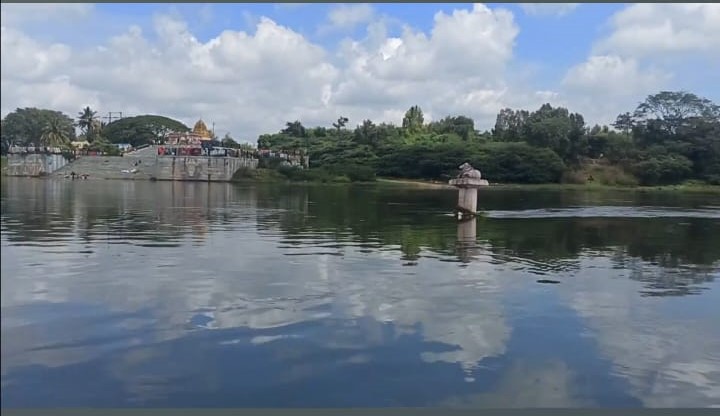
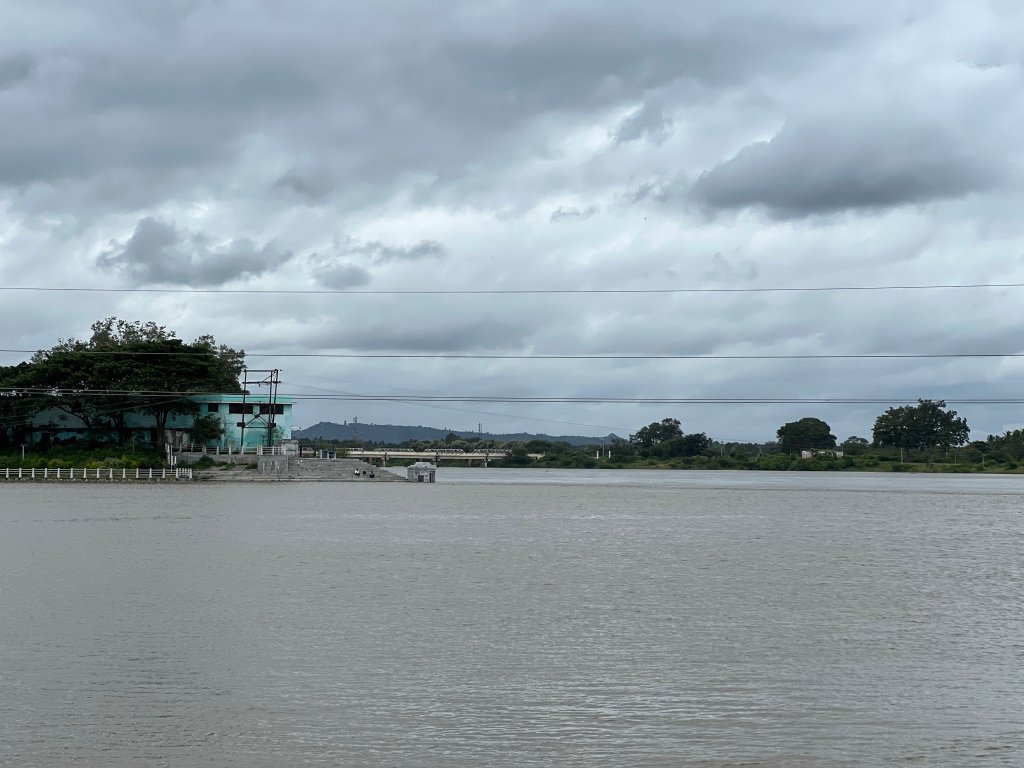
Kaveri meets Kabini and Spatika (Guptagamini or mystical lake) in a town called T Narasipura in Karnataka.
Madhya Ranga – Shivana Samudra
At shivan samudra, Kaveri Splits and becomes BARACHUKKI AND GAGANA CHUKKI falls. At a further distance, water from these two falls merge again thus creating another island. In this island is another ranaganatha swamy temple. It is a beautiful tourist spot. The rangantha swamy temple in shivana samudra is known as the madhya ranga.

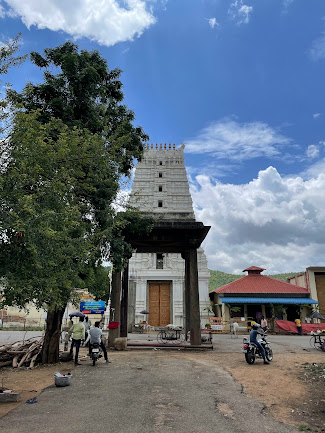
3rd Major Confluence – Erode
Kaveri enters Tamilnadu State and it is here that she meets river Bhavani and river Amuda (Guptagamini or Mystical lake).

Dear Reader, I hope you enjoyed reading this post. In the next post , we will cover more along the path of river Kaveri. Namo Thaye Kaveri.


 Bliss-Girls
Leave a reply to Susmi Dasgupta Cancel reply