
I am elated to be writing about Jayashree. She is my cousin and I share loads of wonderful memories with her. She is very artistic and very soft spoken. In today’s post, I will be taking you through her journey of terrace gardening. She has joyously agreed to share her secrets to designing and maintaining a wonderful terrace garden.

The beginning
It was during COVID, with lockdown restrictions, she started gardening to beat boredom. She was inspired and motivated by her Sister-in-law, Malini, who sent her a OTG link to a gardening group. She followed the group and started her terrace gardening journey.
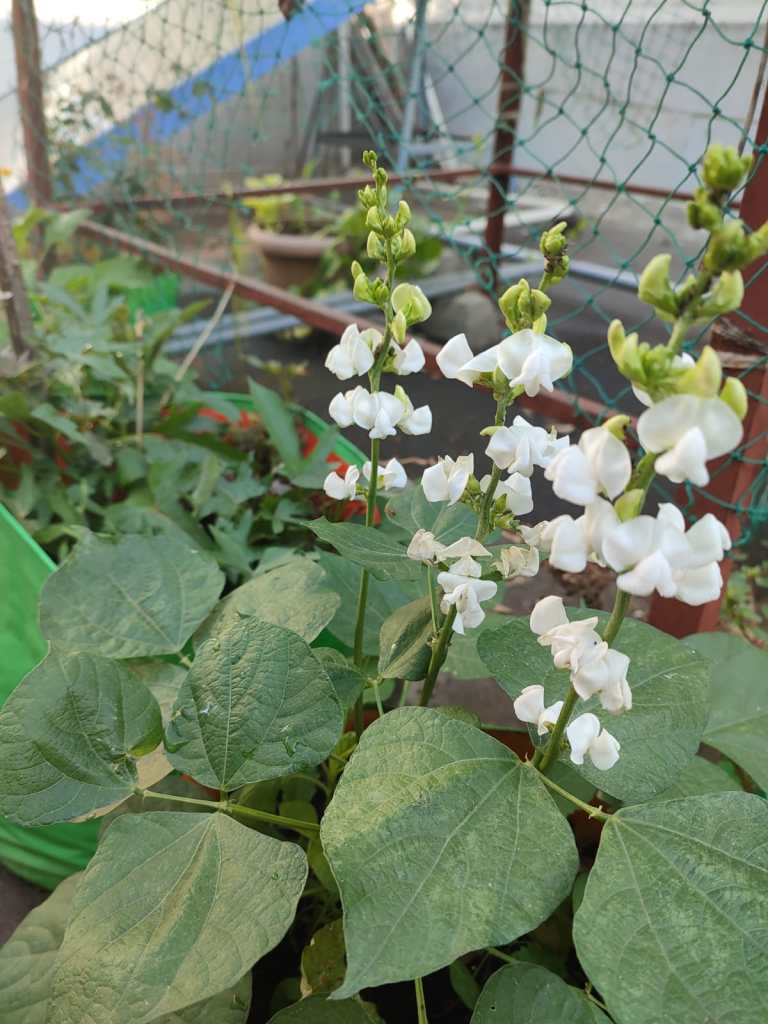
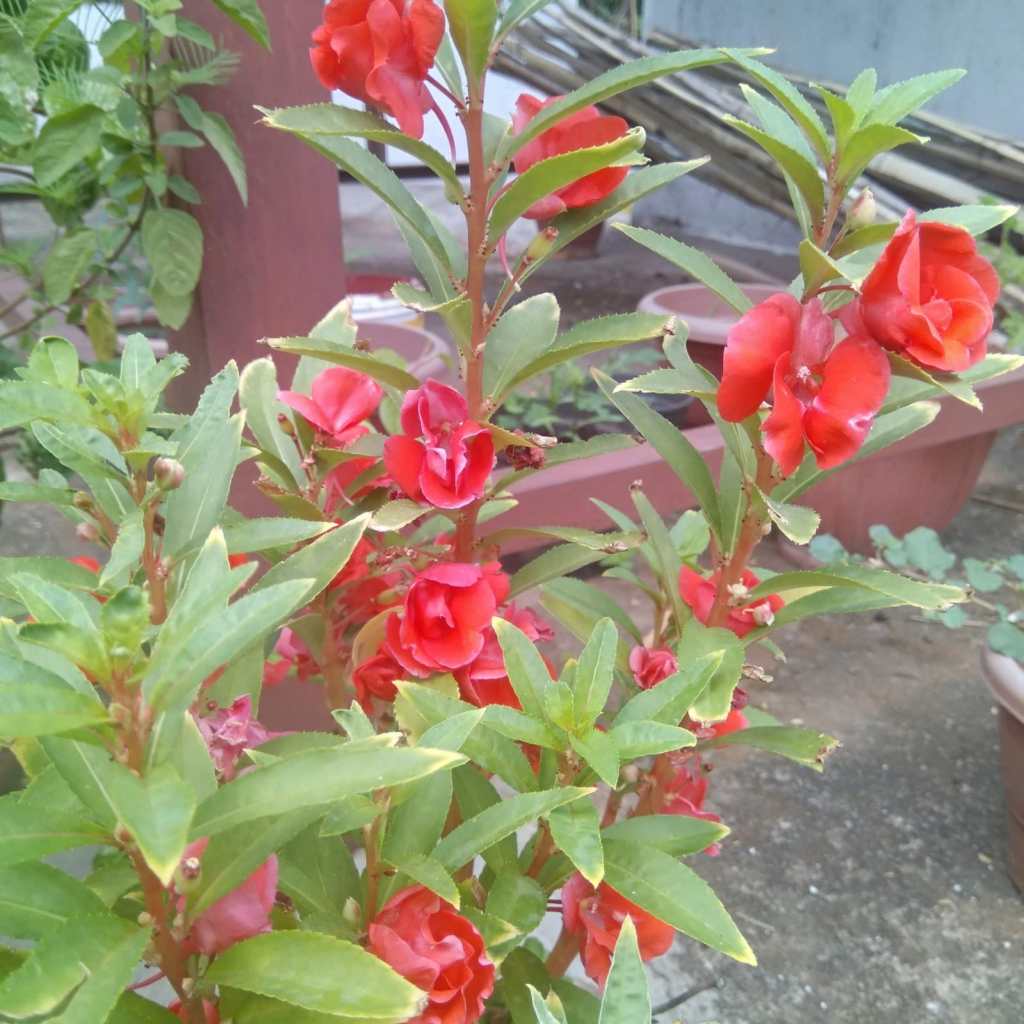
She first planted Impatiens balsamina. She started of with one plant initially and then gradually increased the number of plants. Within 6 months she had about 25-30 pots. Today she has about 100 pots with a wide variety of flowers, fruits and veggies.
Learning curve
Jayashree was super happy when flowers started blooming in her first plant. That gave her confidence to pot more in her garden. She went to the nearby nursery and got few more seeds and plants, soil, cocopeat and organic manure. She remembers that few plants dried out, few died due to disease.
She soon realised that she had to spend more time learning about the art of growing plants. As with any serious business, one has to have passion and dedicate time to learn this art. There will be failures but with time one learns how the plant kingdom works and thereafter the journey will be ecstatic.
In the beginning, she used to get organic fertilizers from shops but over time she mastered the technique of making compost at home. She also learnt how to care for plants and their nutrient requirements.
Bonding with plants
Jayashree says plants are like children. They need love and nurturing. She says its a two way street, you love and care for them and in turn they give you happiness, joy and much more.
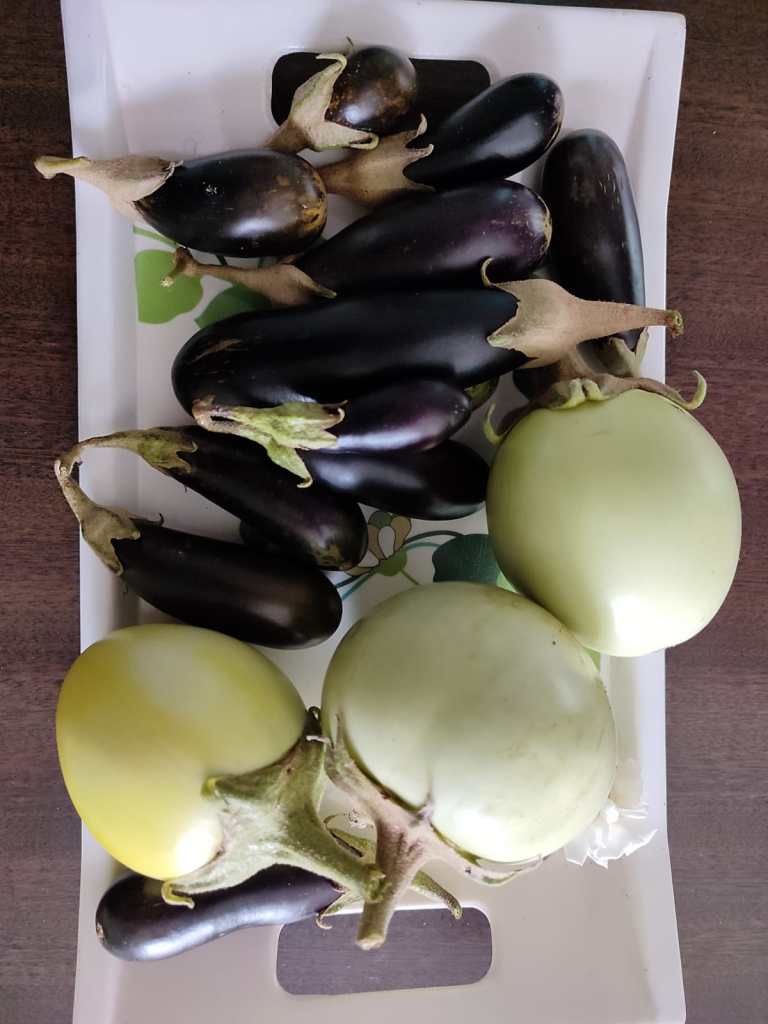
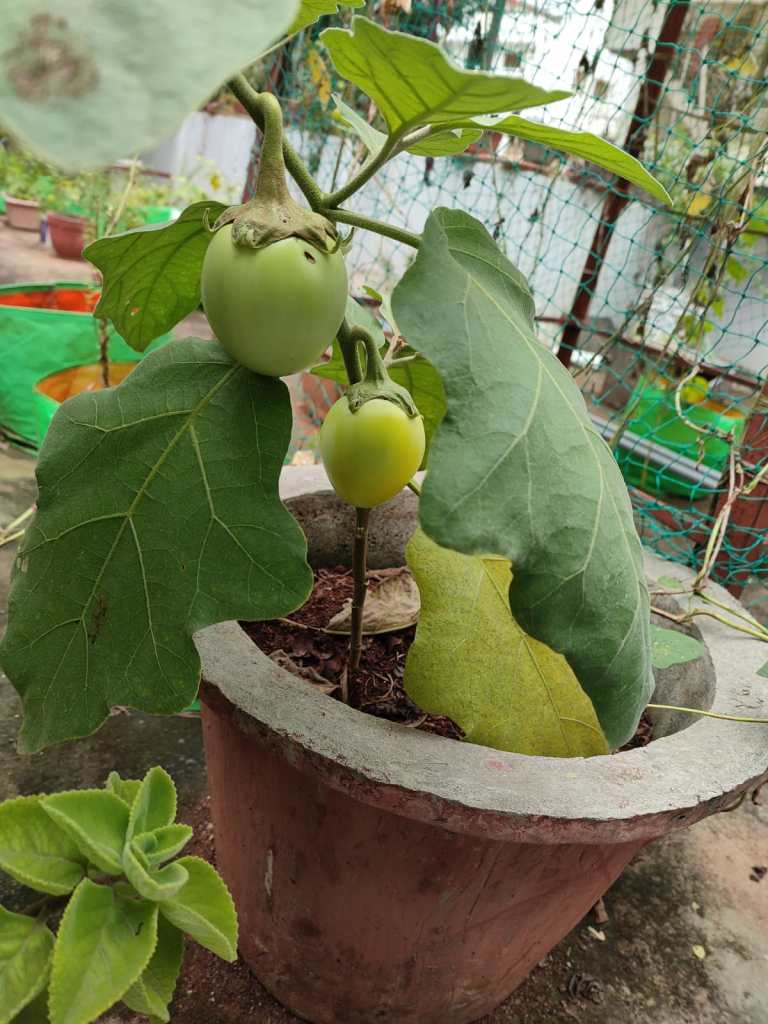
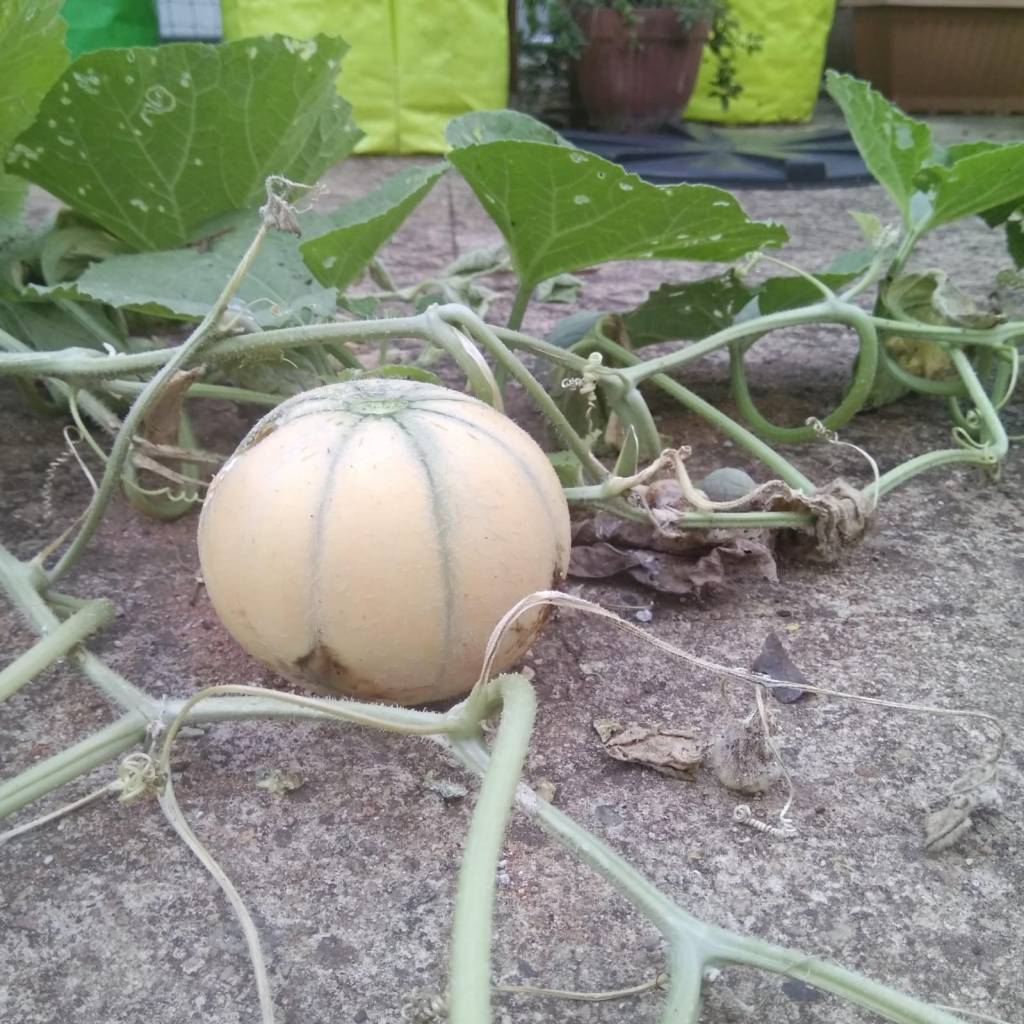
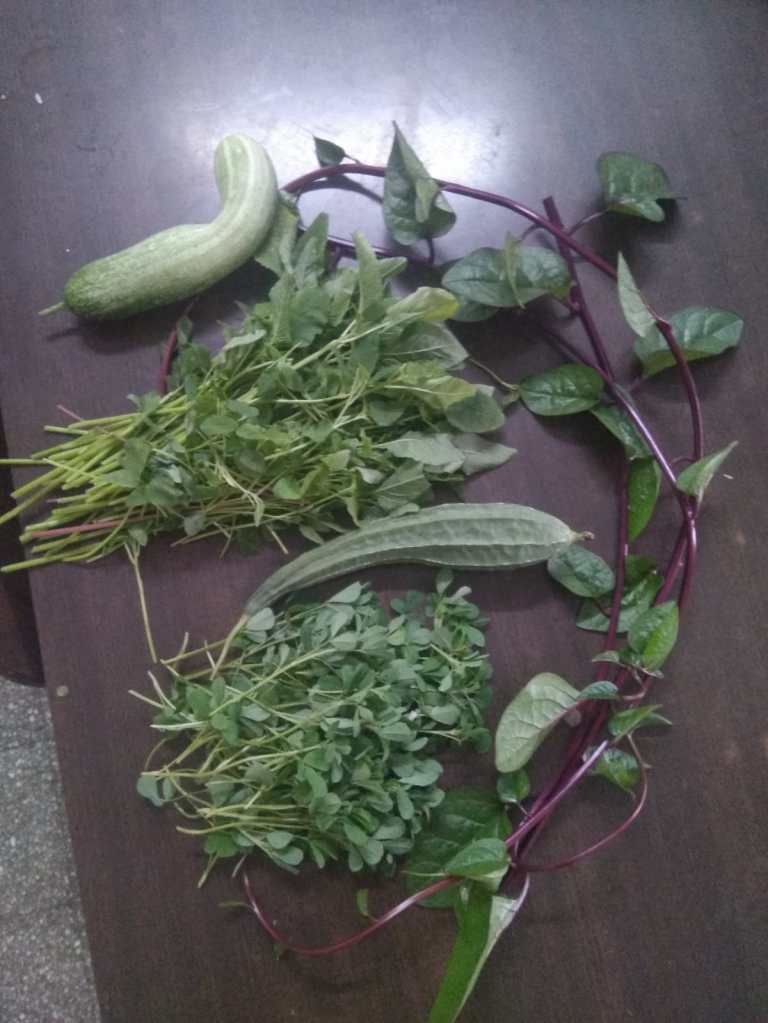
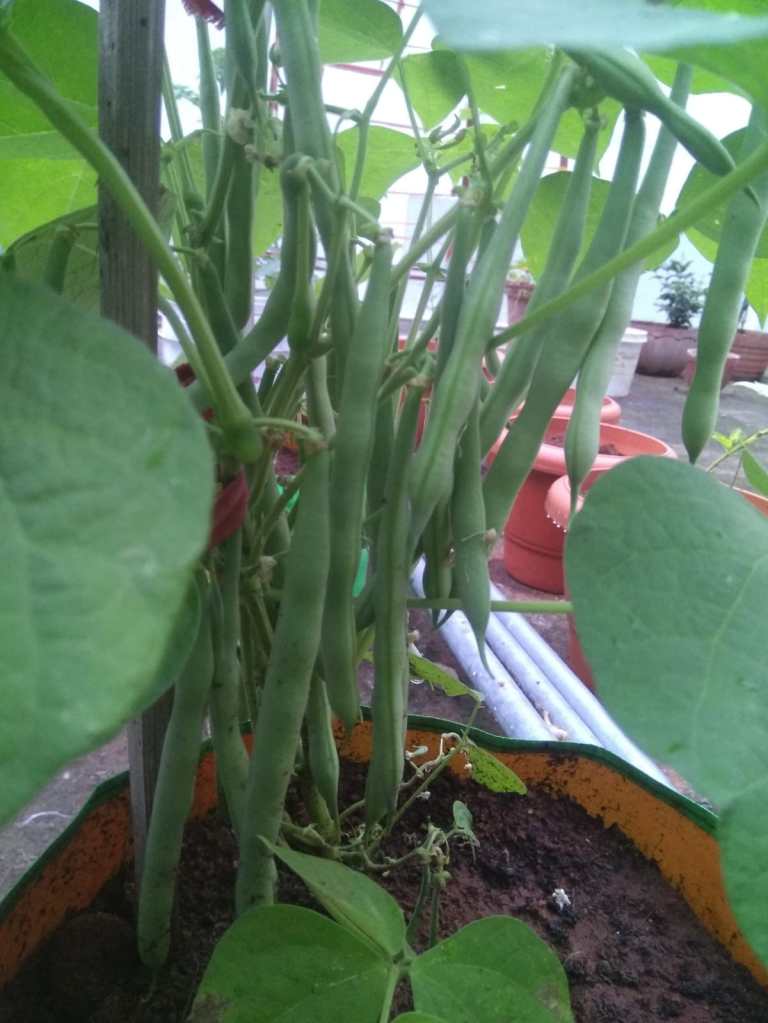
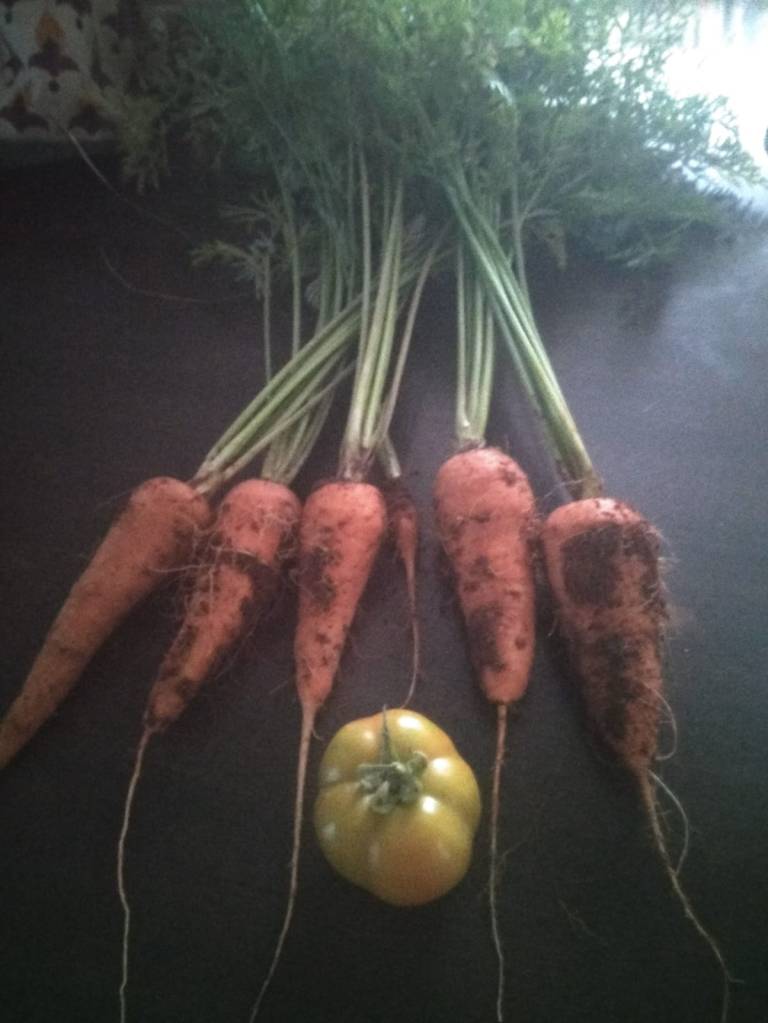
Harvesting and sharing the produce with friends and family is another pleasures of gardening. She says the taste of veggies from a home grown garden are far superior to the ones available in market.
Today, many people come to visit her terrace garden and many take seedlings and saplings from her garden. Sharing is another habit that comes to most gardeners naturally.
Manasvini’s experiences
Meet Manasvini. She is Jayshree’s daughter and helps her mother in the upkeep of their garden. She loves watering plants, removing weeds and harvesting. Manasvini is proud of her garden and enjoys showing her friends various plants and flowers from her garden.
She says it has helped her with her education as well. She learnt a lot about plants and their behaviour. She recollects how it helped her with her school project. They were learning about lifecycle of a butterfly and she could see them live back home in her own garden. It was quite and experience.
Knowledge sharing – Starting terrace gardening
Jayashree shares the following tips for someone looking to start their terrace gardening journey
- Start with flowering plants – they are easy to maintain.
- All pots need 3 main nutrients- NPK (nitrogen, potassium and phosphorus). Organic fertilizers/Compost need to be added to pots, Once every 15 days.
- There are a wide range of pots available. Start with plastic pots and then slowly transition to cement pots and grow bags.
- All pots should have drain holes. Excess water is not good for plants.
- While choosing seeds for planting, pick good quality seeds as they play key role in the growth of plant.
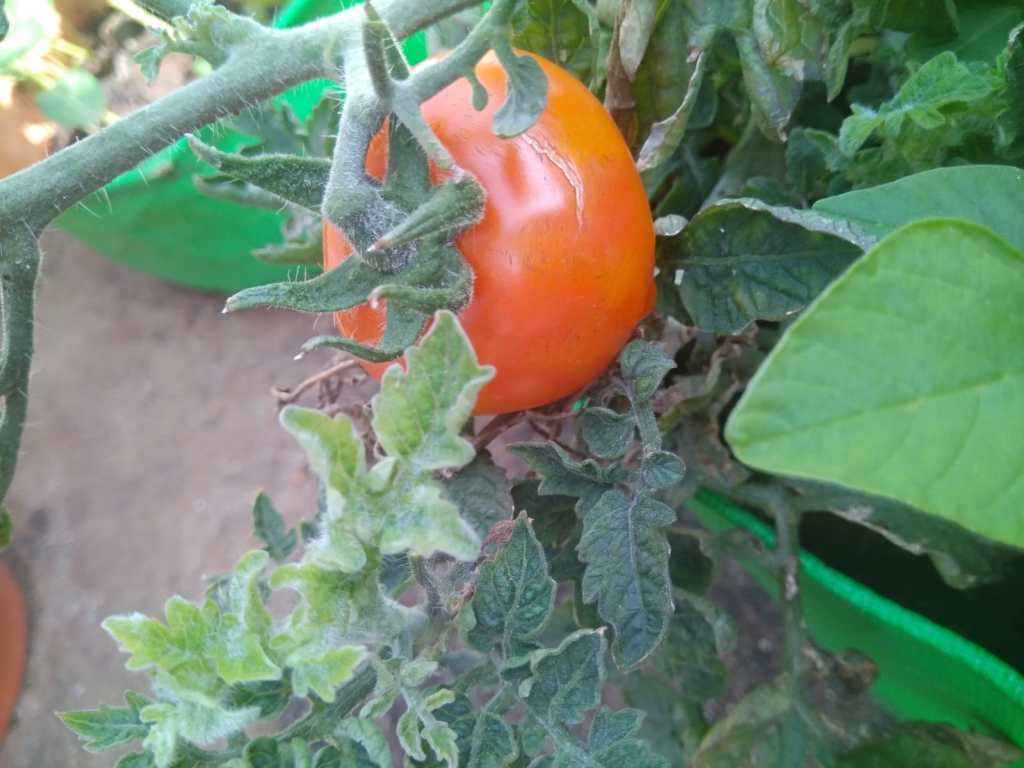
- When you begin planting vegetables, start with simple ones like Tomatoes, chilli and beans.
- Sow seeds in small plants and once they grow a little transfer them to bigger pots.
- Join gardening groups, visit gardening events in your locality. Know more about plant behaviour.
Knowledge sharing – Placement and Budget
- PVC stands can be used for terrace pots.
- Heavy weighing pots should be placed over beams.
- Do not place pots in areas that receive harsh sunlight like centre of the terrace.
Budget
- Grow bags are available in the price range of INR 55 to 75.
- For about 10 pots and soil – approximate cost INR 5000.
- Annual maintenance can be reduced to zero if you can prepare compost at home.
- For repotting you can hire a gardener. In Bangalore gardeners charge INR 3000 for 100 pots.
- Annual cost for Jeevamrutha – INR 150
Knowledge sharing – Caring for your plants
- Water them every day. Be consistent with timings.
- Trim plants during winter.
- Re-pot (change soil and coco-peat combo in pot) annually.
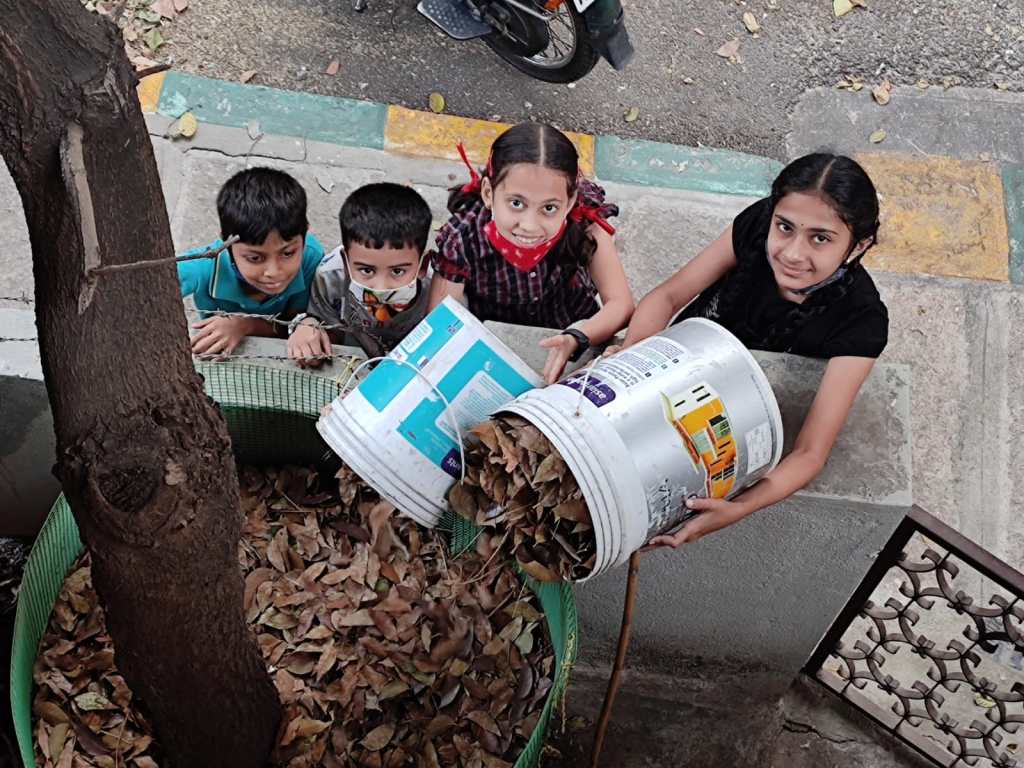
- Mulching – During harsh summers, spread dry leaves on pot beds, this helps soil retain moisture and nutrients required for plants.
- Add compost every 15 days.
- Do not pluck all flowers from plants, leave few for pollination.
- Plant yellow flowers in your garden. This attracts bees and butterflies. They help with pollination.
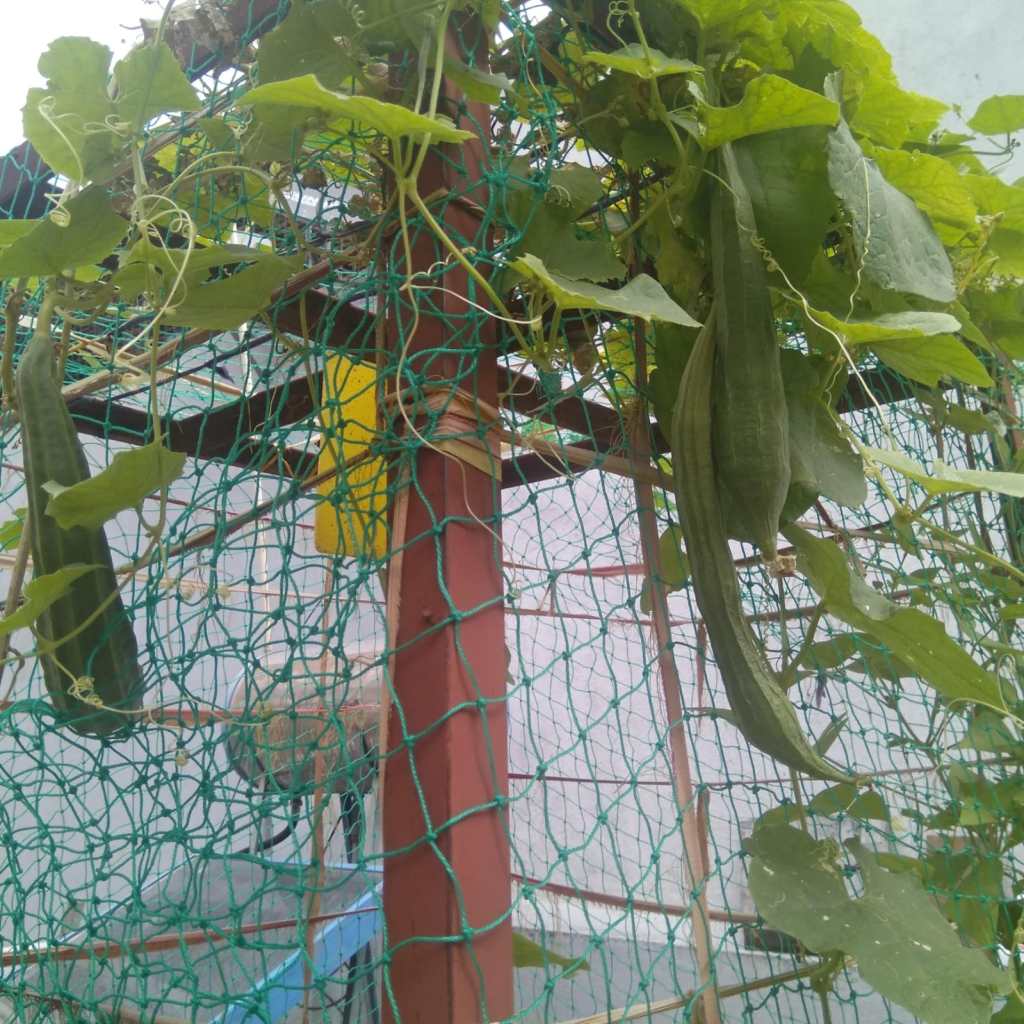
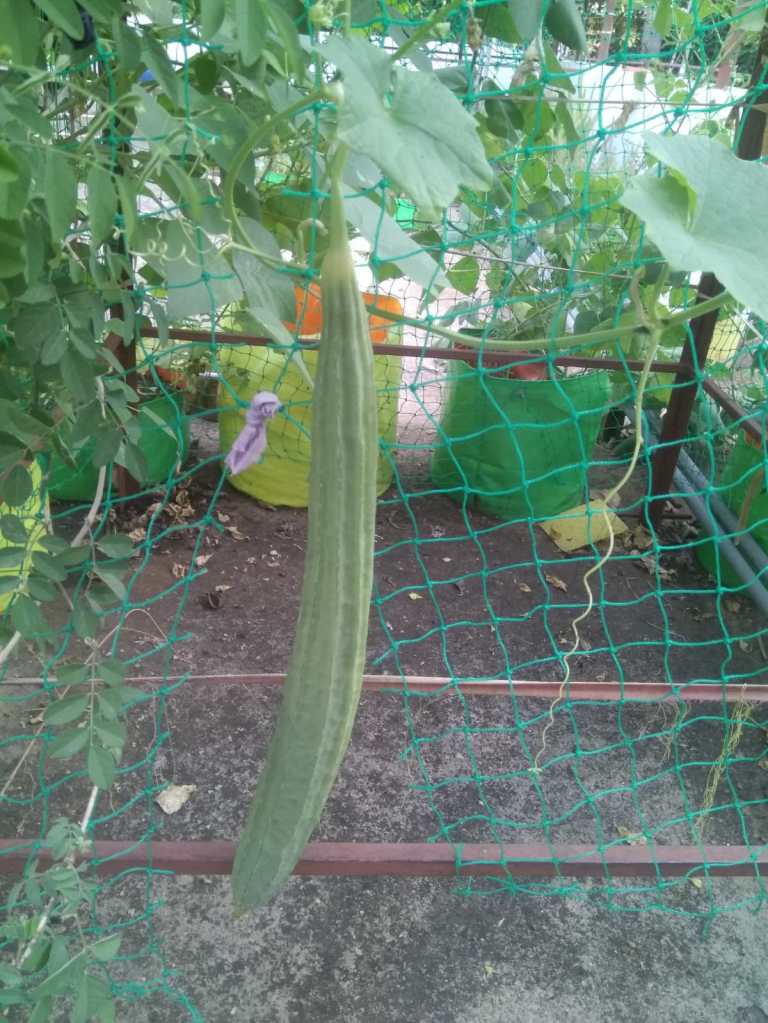
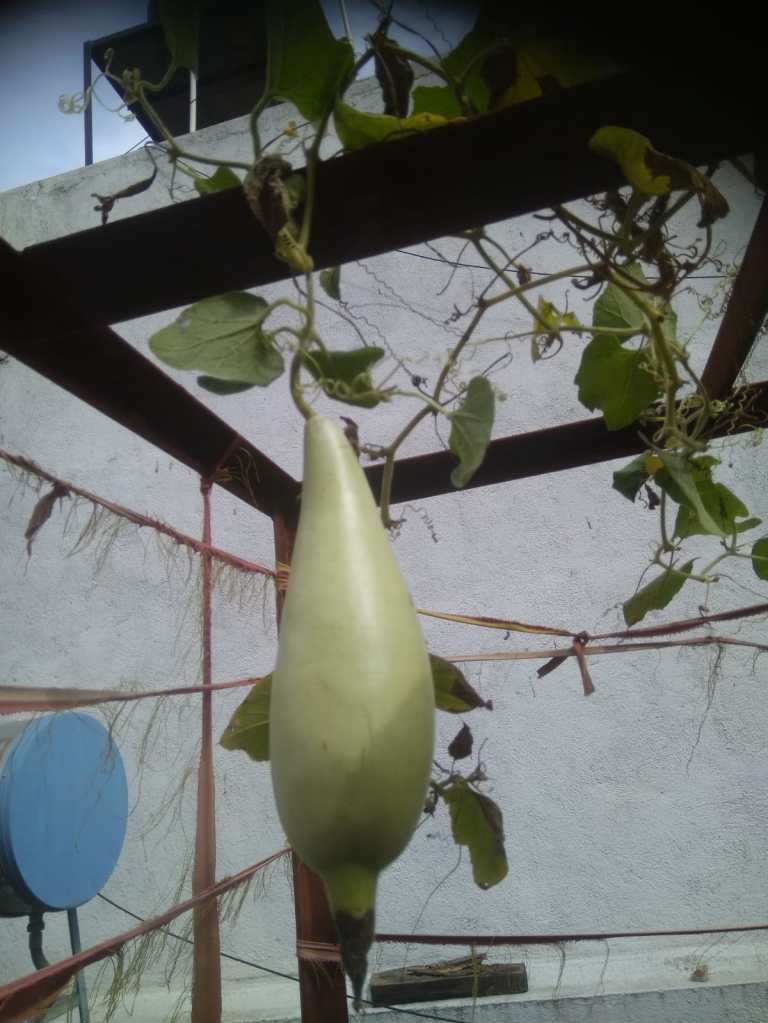
- Some plants like sponge gourd and most other gourds require hand pollination .
- Fruits and vegetables, cover with cotton cloth to prevent birds from eating them
- Remove weeds regularly. Please note, not all weeds are bad. Some in fact aid the growth of plant.
- Try to grow plants in combinations. e.g., Tomato and chilli or Beans and tomato in same pot. They aid each others growth.
Knowledge sharing – Making your own compost
Option 1:
- Collect kitchen waste – water, vegetable peels, fruit peels.
- Mix them with coco-peat and store it outdoors in a closed container for 45 days.
Option 2:
- Use meshing technique and collect leaves from trees and plants.
- Spray water on the leaves and add fruit and vegetable peels layer over the leaves
- Keep adding alternate layers of leaves and peels. Water them regularly and over a period of 6 months compost will be ready
Knowledge sharing – Organic pesticide
It is best to spray pesticides in mornings or evenings. This is because they tend to come out on surface during these times.
- Banana peel tea
- Ingredients – banana peel, water jaggery.
- Method: Soak banana peel in water, add jaggery and store it for few days. After a week, for 5 to 10 litre water add 1 litre of this banana peel tea and spray it on plants.
- Jeevamrutha – This is a bio pesticide – a mixture of gram flour, cowdung, jaggery and soil. For 5 to 10 litres of water add 1 litre of jeevamrutha and spray it on leaves once a month.
- Neem oil. For 10ml of neem oil add 1 litre of water and spray it on plants.
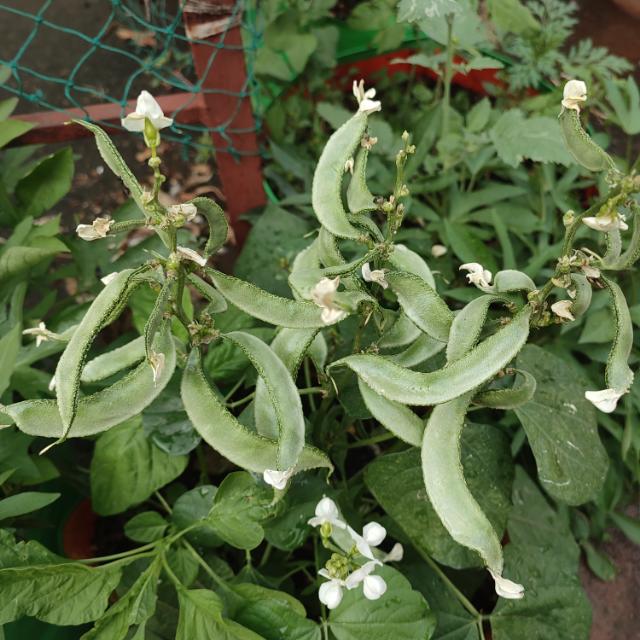
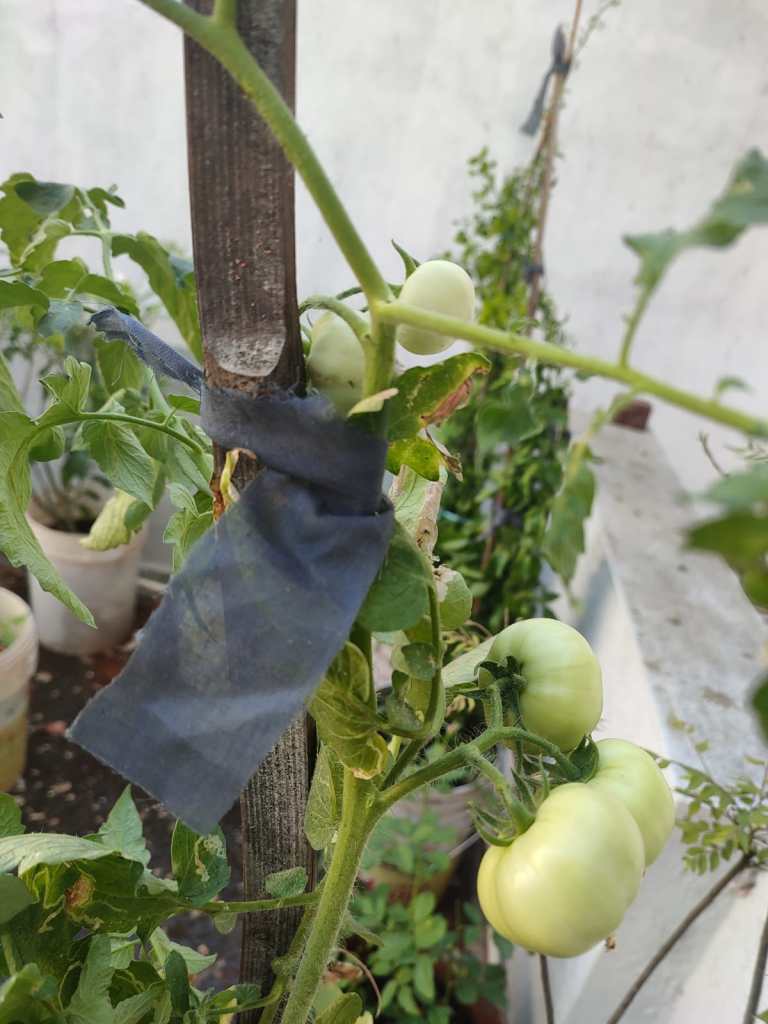
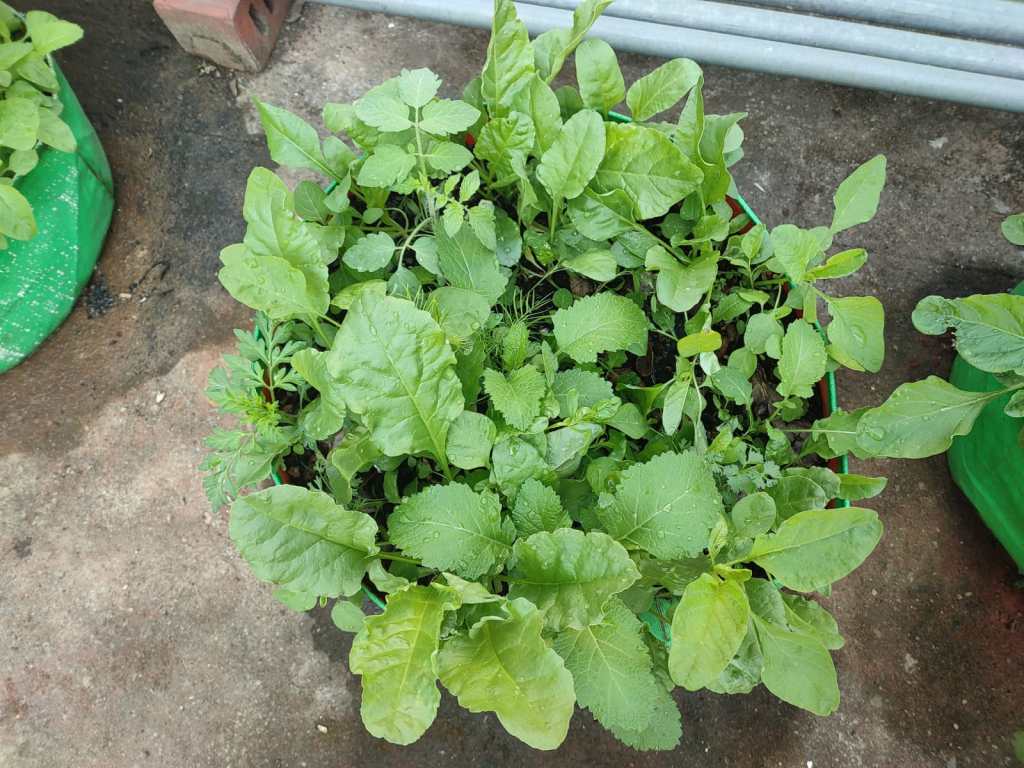
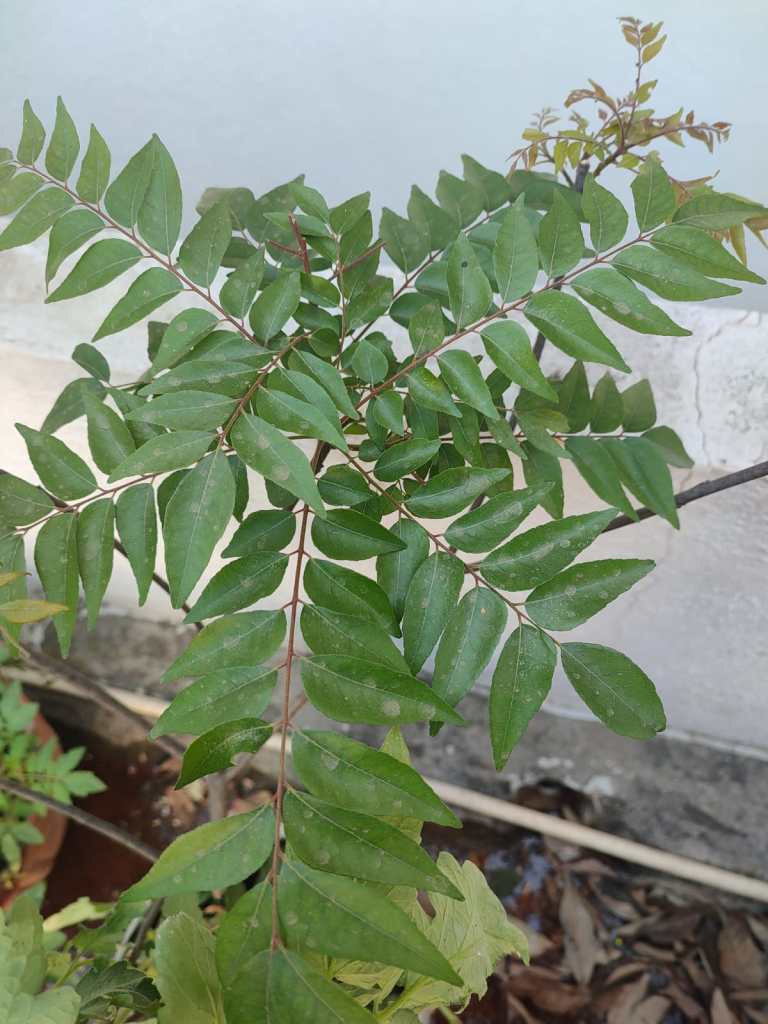


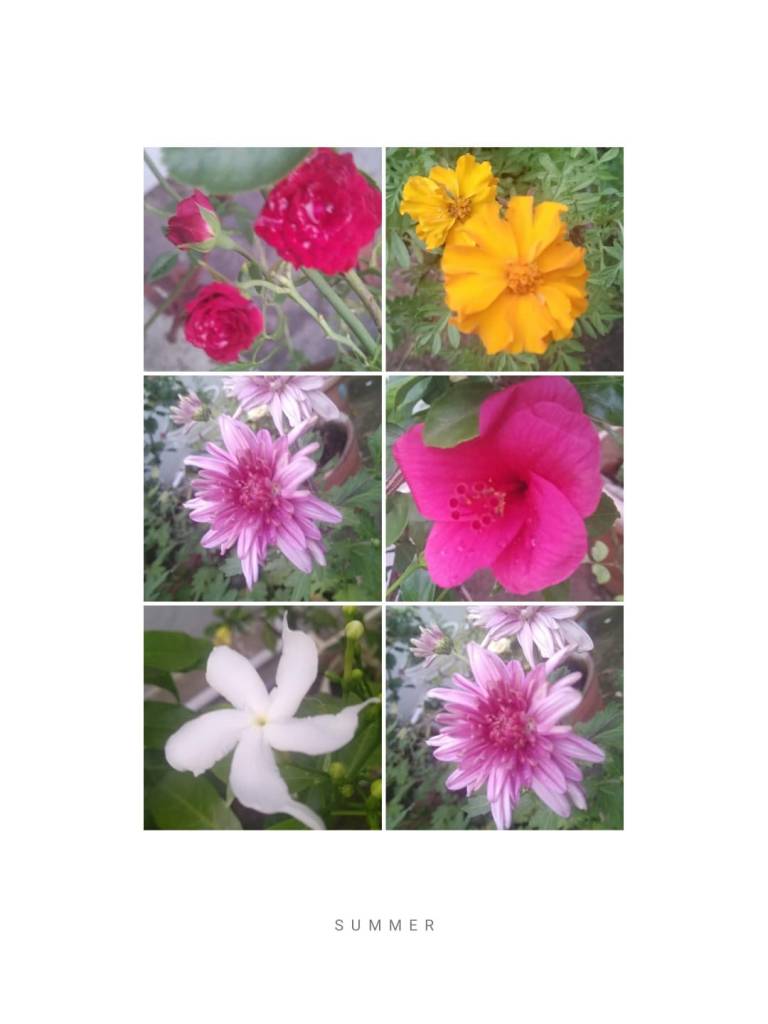

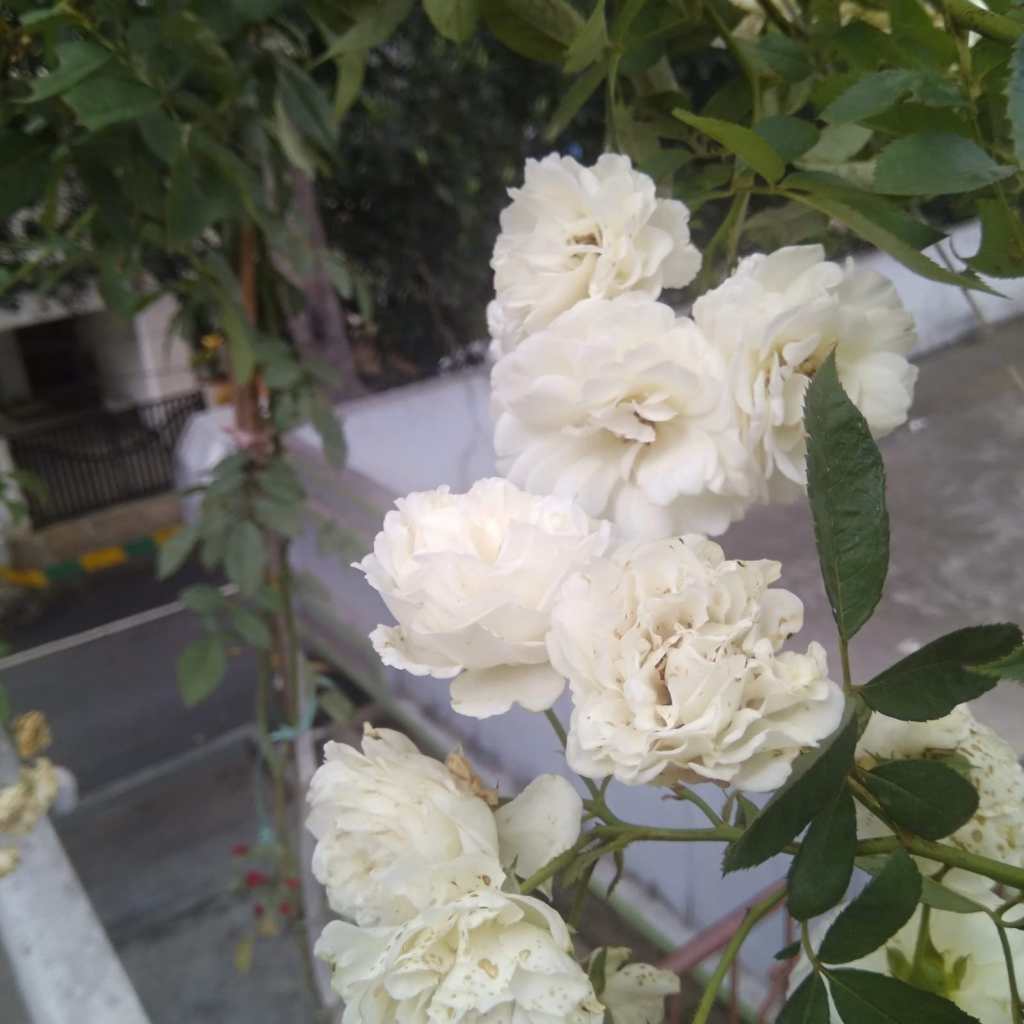
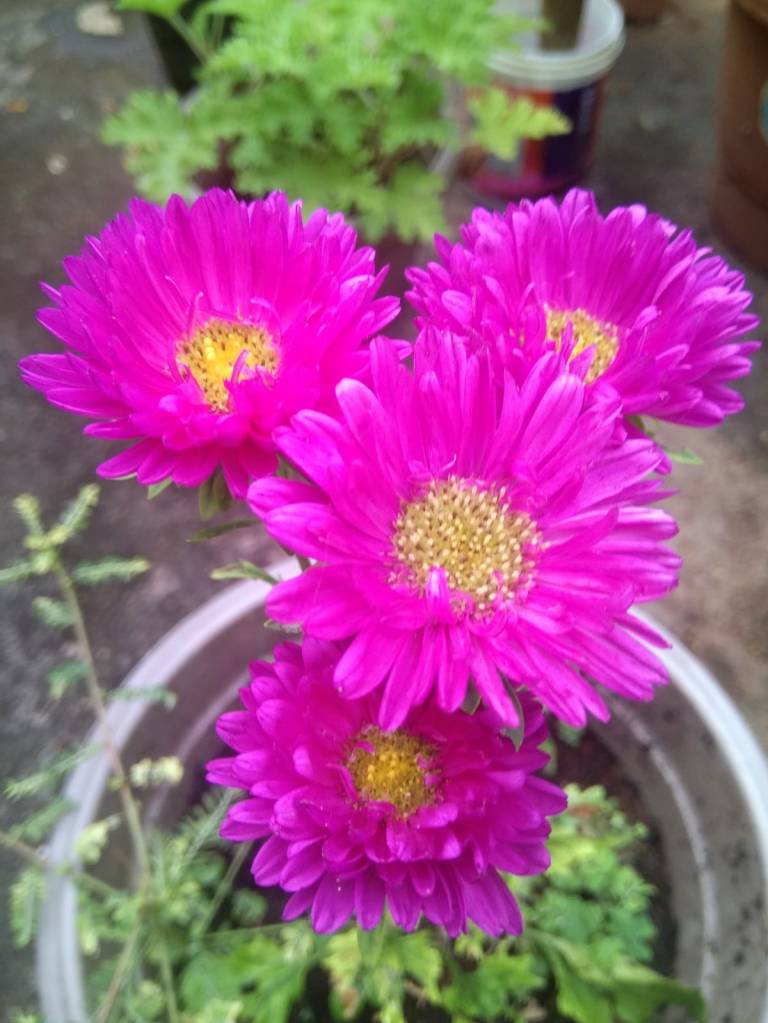


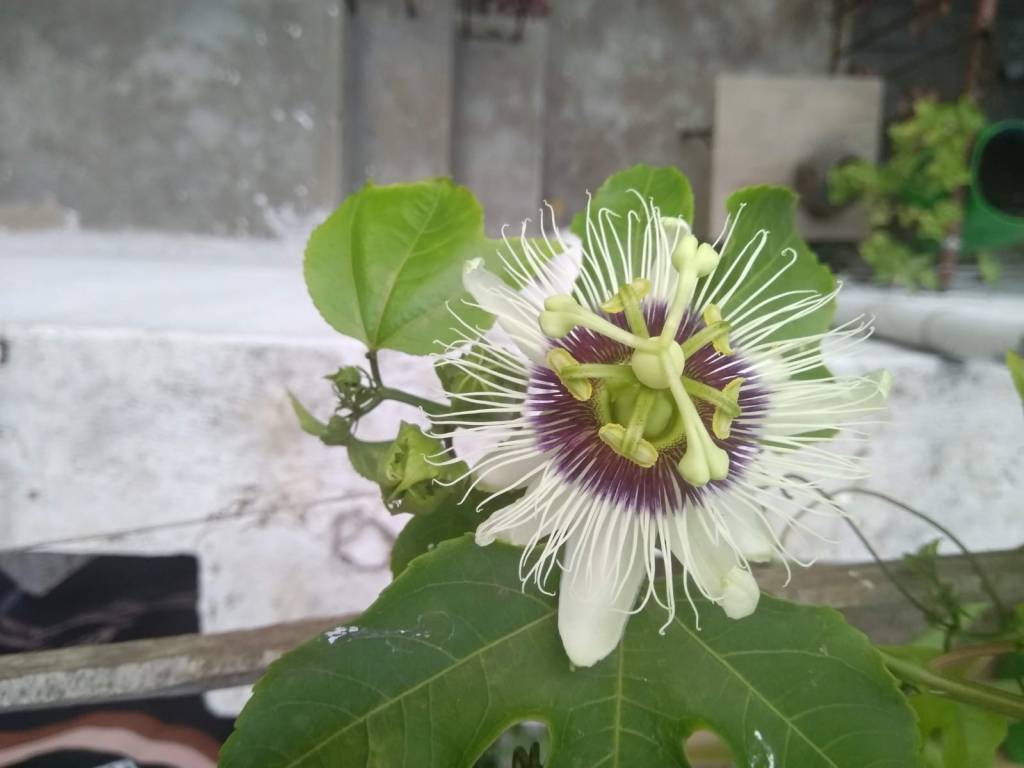
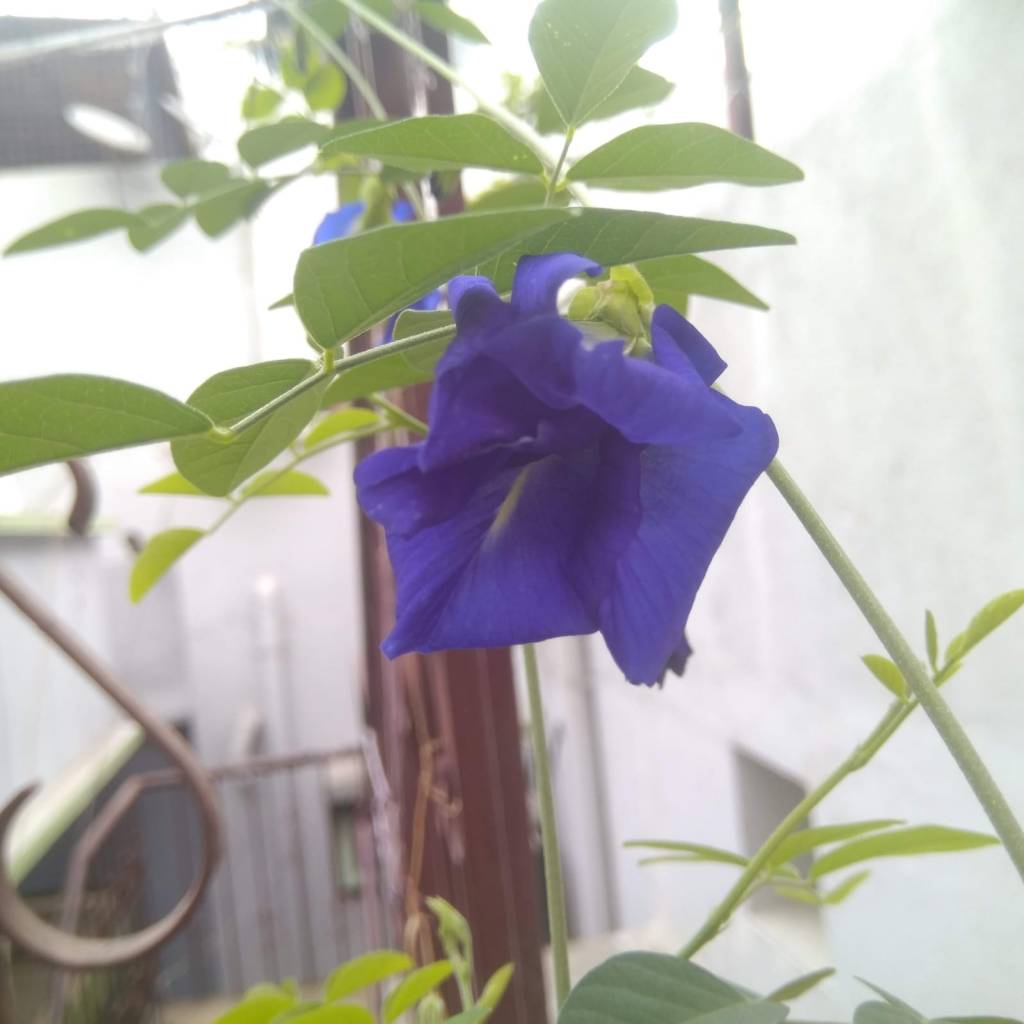
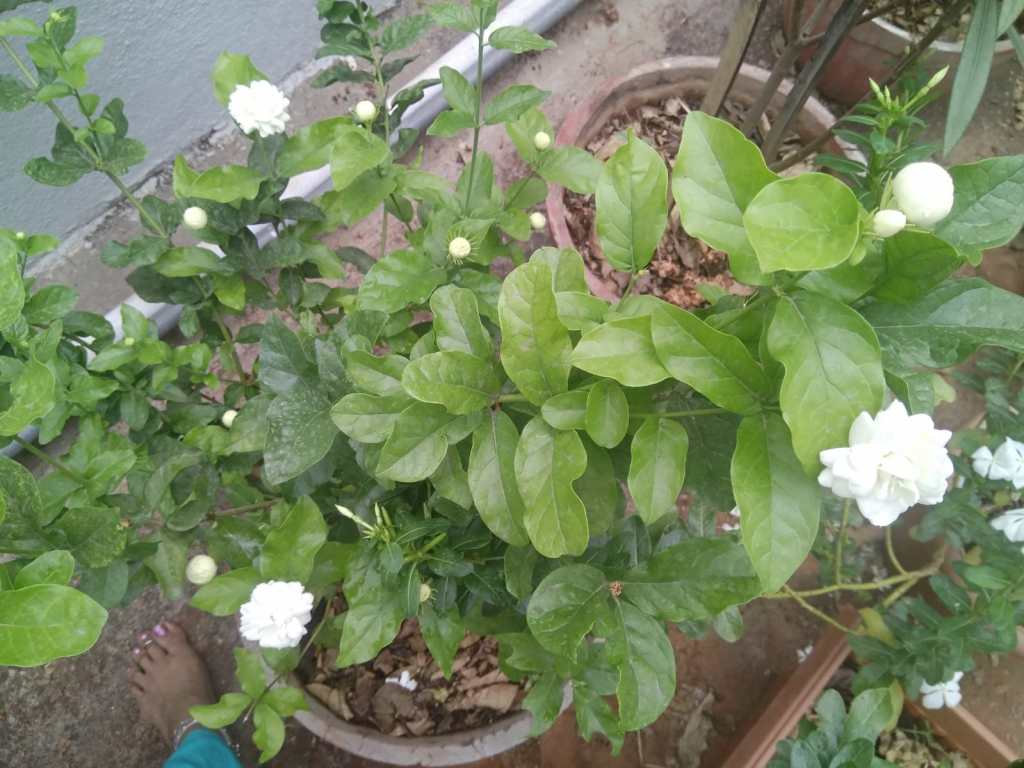
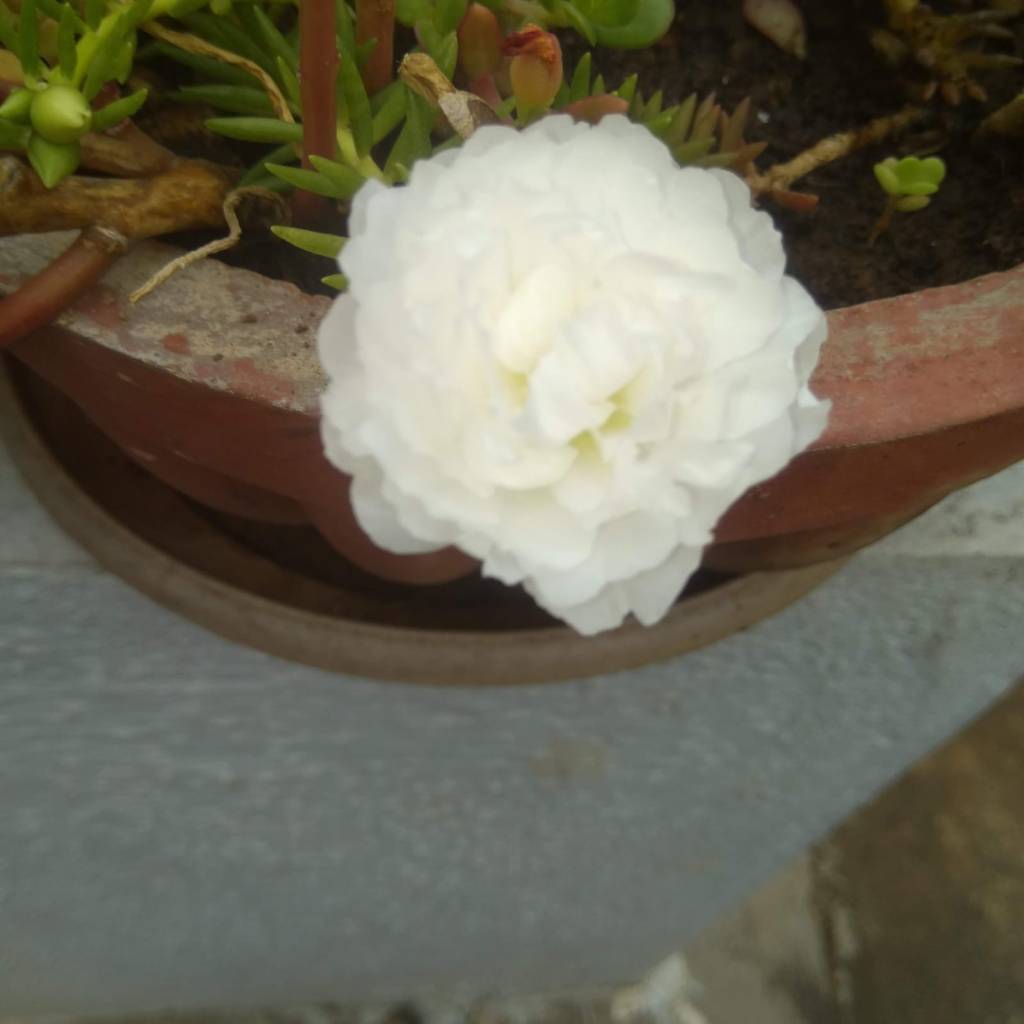
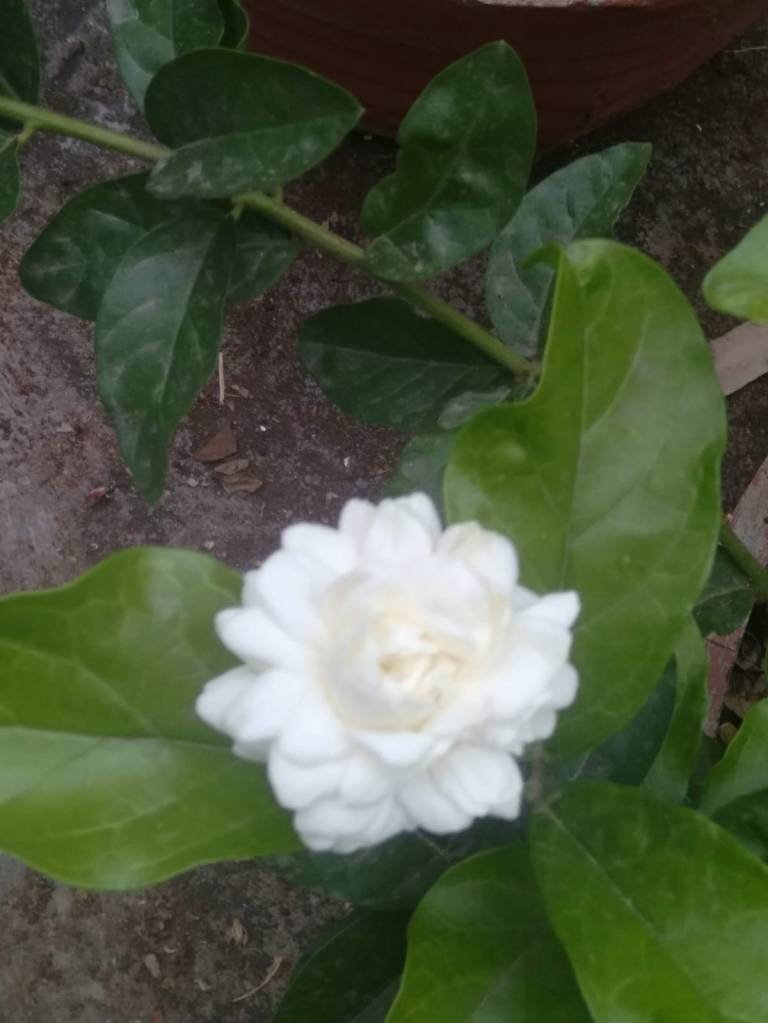
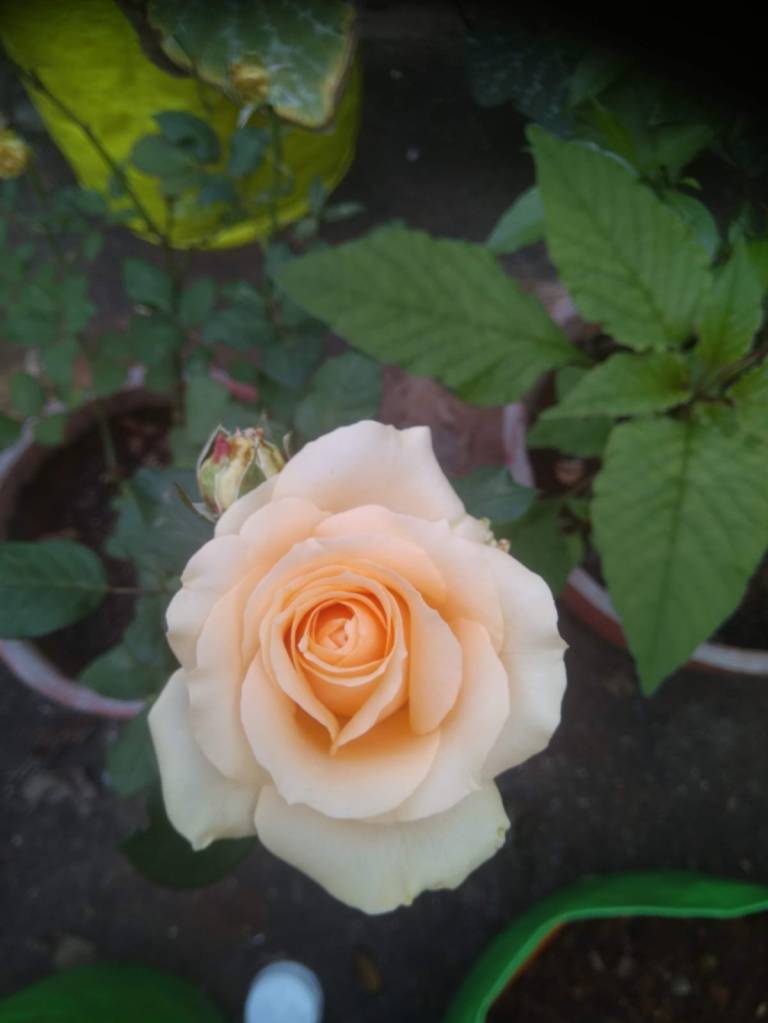
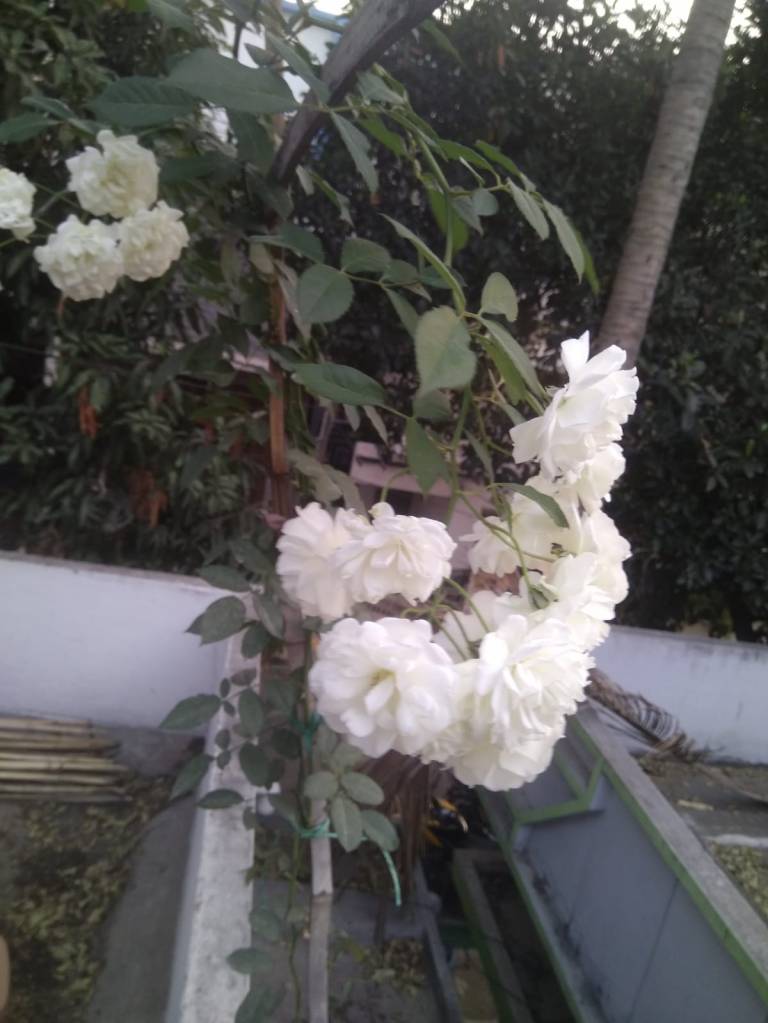

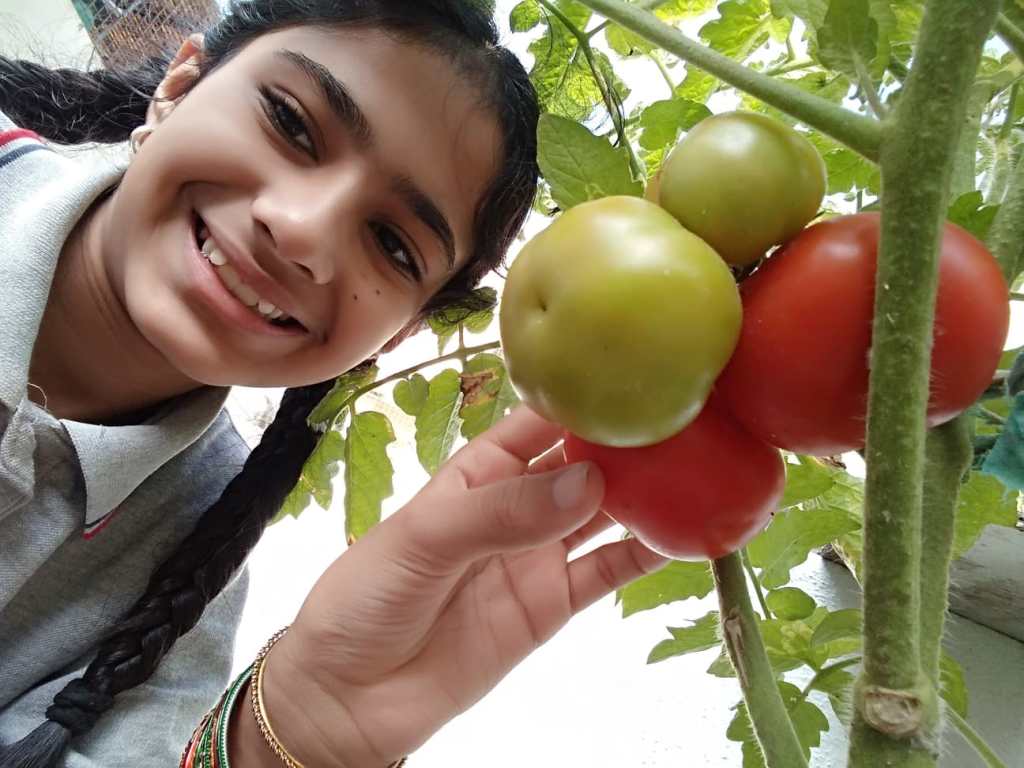
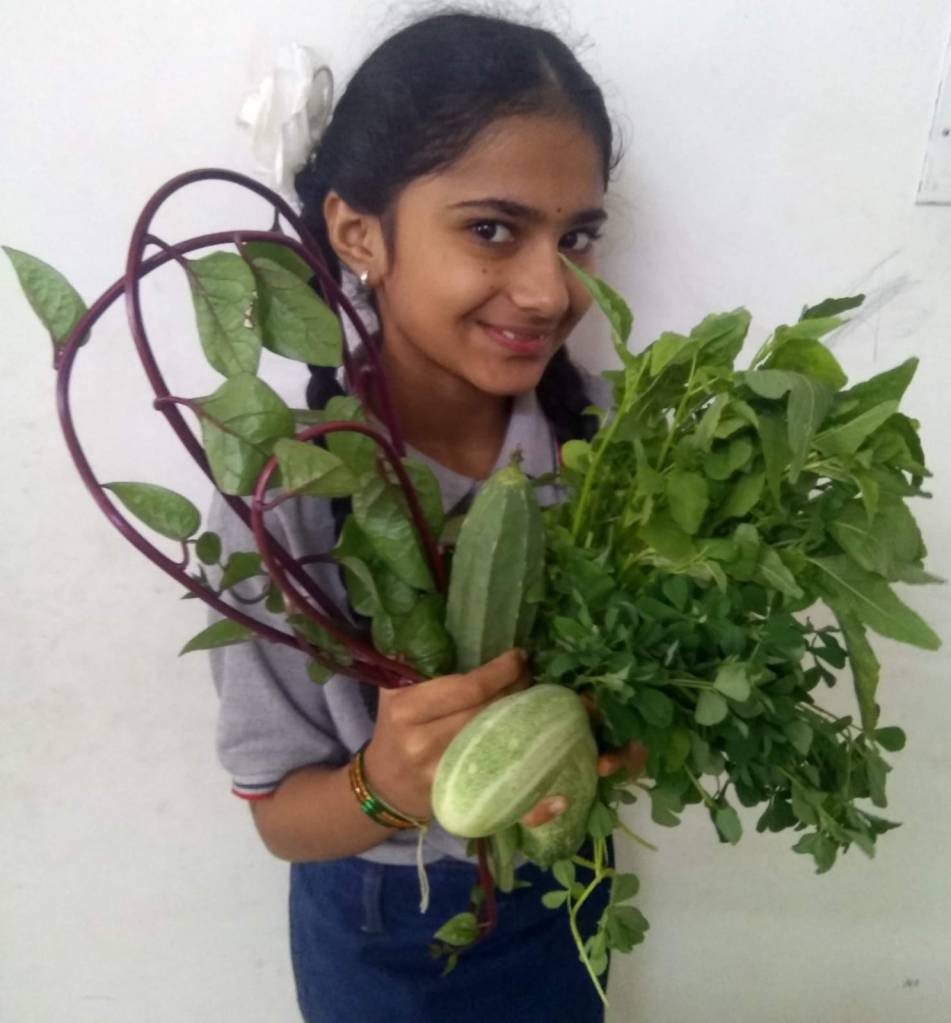
In future Jayashree and Manasvini plan to add more flowering plants and decorative elements to their garden. They also have plans to work on the best out of waste concept.
I hope you have enjoyed reading the blog. Share your gardening experiences by commenting. Thanks for your time.


 Bliss-Girls
Leave a reply to Anitha Parthasarathy Cancel reply