
Bengaluru was famously known as Garden city. As per reports in the year 1968 the city had a green cover of 72% but in 2020 it has reduced only to 3%. This is a result of rapid urbanization and also shows a lack of understanding of eco system. Chaithanya highlighted a few key points which are worth pondering upon before our next act.
- Concertized living. There is a layer of concrete over land in most cities. There is no space for rain water to seep into ground.
- Lack of indigenous trees in the city.
- Flawed methods of dealing with waste – like setting fallen leaves on fire which otherwise could be used to make compost
- Reproducing indigenous traditions is better – Our ancestors had a much better understanding of nature and designed lifestyles to be harmonious with nature.
- Minimalism is better than Consumerism.
The Earth has enough resources to meet the needs of all but not enough to satisfy the greed of even one person. But greed over last few decades has resulted in some serious damage, some to the point that its no longer irrevocable. Chaithanya says Vrishabhavathi river is one such example.
Working with Lakes
Sri Kempegowda, the founder of Bengaluru had built 1,400 lakes for the purpose of drinking, irrigation and to mitigate flood. Over the years most of these lakes have been encroached and the others (around 189) are polluted and not fit for use.
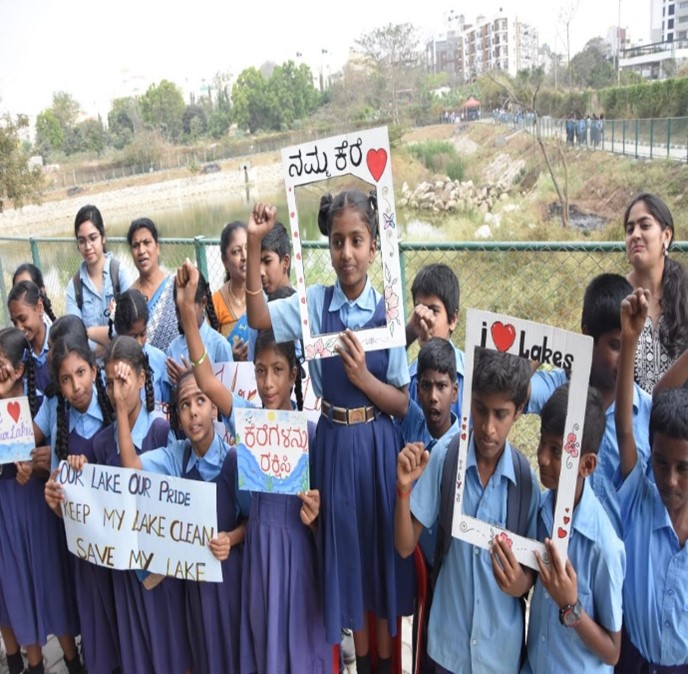
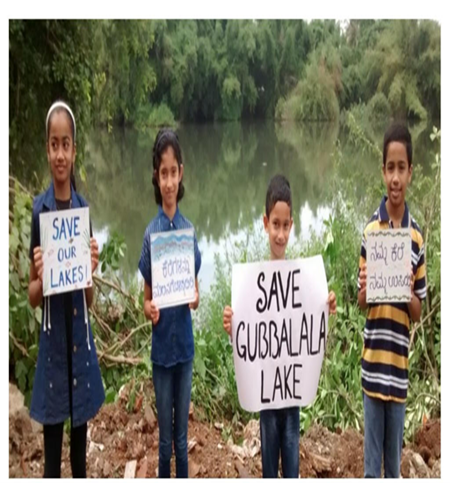
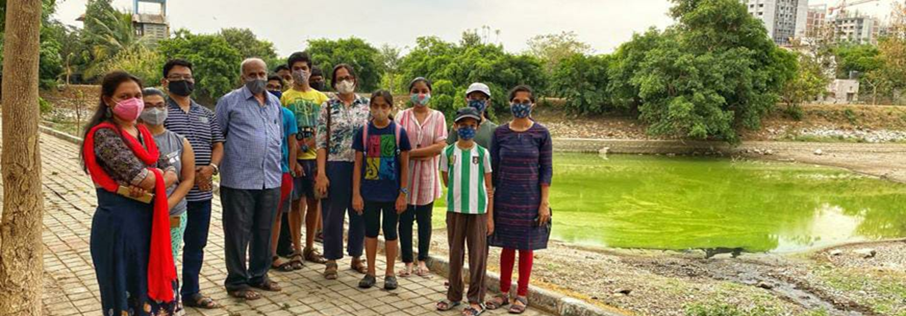
Chaithanya has been working with NGOs like Namma Bengaluru Foundation (NBF) and Friends of lakes (FOL) to save the lakes of Bengaluru. As part of that she has visited many lakes and complained to Lokayukta along with NBF and was able to rejuvenate few lakes. Makkala Kere Habba a fun filled event was conducted for the school students along with NBF and FOL to bring awareness about the lakes. She also conducts session on the importance of lakes
Zero waste Policy
Chaithanya is a strong advocate of zero waste policy. The use of disposable cutlery is a trend. In any public or private events, disposable cutlery is preferred because it reduces the burden of cleaning and is available at lower cost. But the downside of this, says Chaithanya, is that the disposed waste goes to landfill. Chaithanya asks us to consider how these disposables are manufactured and how its usage impacts our health and how it gets disposed.
Dear Reader, I would like to highlight 2 more events here to show how committed Chaithanya is towards leading a sustainable life. For an event organized by Police Department, Chaitanya and her team had taken the responsibility of making it a zero waste event. There were no plastic water bottles or disposable cutlery. There were no paper tissues and no food wastage. Steel cutlery was used and bio-enzymes were used for cleaning. More on this later.
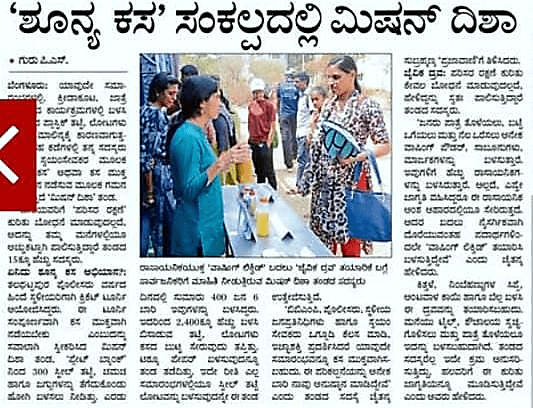
Another incident is when she and her family attended a mega political event presided by the Prime Minister. After the event, while the rest were heading home, Chaithanya and her family along with some volunteers started collecting thrash at the event site. A very popular IPS officer was soo impressed that he came down and appreciated Chaithanya and her team.
Inspired by Adamya Chetana’s plate bank, Chaithanya has started her own plate bank. In case you are in Bengaluru and looking for a cutlery bank for events, you can contact her at tv_chai@yahoo.co.in.
Working with Schools
Chaithanya has been educating school kids about waste management, the harmful effects of plastic, and the need to keep our environment neat and clean. She sponsored jerseys for the Thalagattapura Government school girls’ Kabbadi match last year. This year she, along with other volunteers, sponsored transport facilities for the girls’ Kabbadi team. She was invited to hoist the flag on Independence Day in the school and she says that was the most heart-warming moment for her.
Titbits for sustainable living
Chaithanya shares the following titbits for sustainable living.
Avoid Plastics: Plastics are not bio-degradable. Replace plastic bags with stitched cloth bags. Avoid storing cooked food and eating from plastic containers. Avoid using packaged water bottles. Due to heat, plastic leaches into food. Do not use balloons as they’re also harmful to nature. Avoid flower bouquets as they mainly have plastic and NWPP (non-woven polypropylene), the same material used in tamboola bags.


Bring/carry your own cutlery: Do not use plastic straws, plates, and spoons. They are harmful to humans and nature. Single use plastics are banned in India. Paper cups are lined with plastic and coated with wax which when ingested is a health hazard as microplastics enter the body. Avoid using other disposable cutlery. Replace them with steel, clay, metal, or any reusable cutlery.
Switch to Bio-Enzymes: Replace detergents with home made bio-enzymes. It can be made at home easily and with simple ingredients.
Grow tress and compost home waste: Plant trees where you can. Leaves and other kitchen waste can be used to prepare organic compost at home.
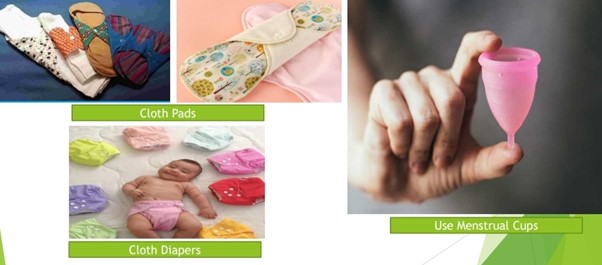
Eco-friendly Menstrual Products: Use cloth diapers, cloth pads, or menstrual cups instead of chemically laden store-bought sanitary napkins which also impact health. Menstrual cups are made up of medical-grade silicon which has to be inserted and can be removed easily. Easy to maintain and lasts for 8-10 years. Cloth pads and diapers are available online. Soak, wash with soap, and don’t forget to dry it in the sun.
Dear Reader, I hope you have been inspired by Chaithanya’s work. We all have responsibility to conserve our environment and pass it on to future generations. Let us do what we can and contribute for a safe and healthy environment.

 Bliss-Girls
Leave a comment