
For most of us women living in urban world, health and hygiene is a subject which we hear, talk and learn a lot about. It has been a part of our education system. There are ample resources and opportunities available for us to stay up to date with latest research and findings in areas related to female hygiene products and health in general. A slight shift in focus towards rural areas in India and we find that women there are still not par with their urban counterparts. Along with initiatives by Indian government to promote awareness about menstrual hygiene amongst adolescent girls in rural areas, there are many urban women who selflessly work to create awareness about the subject. In this blog post, I would like to introduce Chitra Nagaraju, who works with NGO to create awareness about menstruation amongst secondary school girls and women in rural areas.
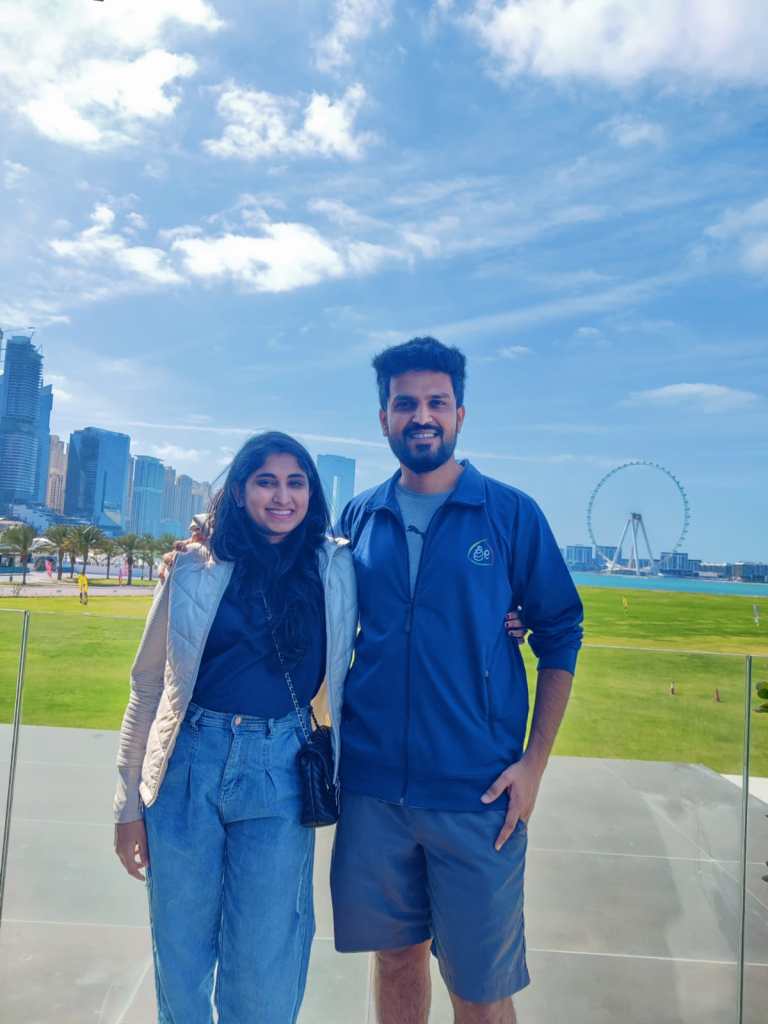
Chitra was born and brought up in Mysore. After completing BE in Mysore, she moved to Bangalore in the year 2014. She is presently working as a senior software developer in an IT firm. She is married to Satisha who also works in IT.
About the Initative
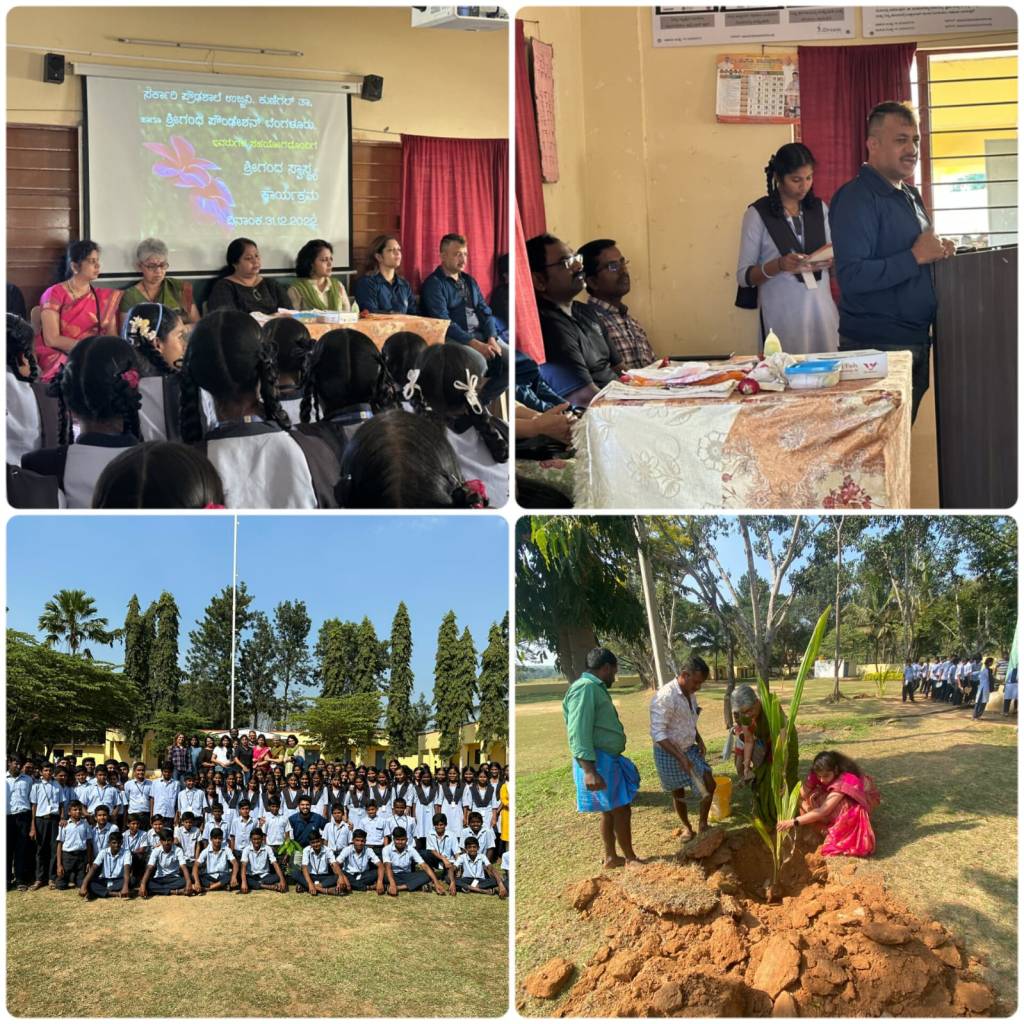
Chitra leads a program called Swasthya for the Shrigandha Foundation. As part of this program they conduct menstrual awareness sessions amongst adolescent girls and their families in rural areas. They engage professional gynaecologists to give talks and promote use of eco-friendly products. They distribute eco-friendly and chemical free menstrual products free of cost.
How it began
Chitra was introduced to the NGO by her husband. He has also been involved with the foundation for about 2 years and is working on a project to set up maths lab. On a causal trip to Chikkamagaluru with members of the NGO, when she took a leak break at one of the government schools, she noticed that sanitary products was not disposed well. While many might find it a disgusting sight, Chitra could see a deeper problem – the lack of understanding about menstrual hygiene among school girls.
She brought up this subject with other members of the NGO team and eventually that led to design and launch of the Swasthya program.
The Task
Chitra’s first task was to find more about the School environments and to gather an understanding of what girls knew on the subject. She contacted 4 schools and spoke to women teachers. With their co-operation she conducted surveys to find out what menstrual products do girls use and how they dispose them off. Through these interactions she gathered a lot of information about the actual problems of rural girls and women. She found –
- Many girls skip school on their period days.
- Many families can’t afford to buy disposable sanitary pads.
- Many of them are not aware of safe ways of disposing sanitary waste, they burn used pads.
- Women and girls are shy to talk about the subject.
The next step was to design a program that would address the issues she had identified through her survey. For this she had identified two paths
- Arrange awareness talks by collaborating with Doctors.
- Distribute Menstrual products.
Chitra and other women volunteers within the NGO had to spend months researching on various menstrual products understanding the pros and cons of each product. In this process they interacted with many doctors and they learnt about the chemicals that are used in sanitary pads. The doctors Chitra and her team met advocated the use of menstrual cups for women above 18 years of age and reusable sanitary cloth pads for girls below 18. Backed with this information Chitra and her team tried out various cups and sanitary cloth pads themselves before finalizing 2 products for distribution.
Chitra is a firm believer in follow-up. She says just distributing and forgetting will be of no use unless they collect feedback and make adjustments to program based on the received feedback. She diligently followed up with the girls and ensured they had a satisfactory result.
Challenges
The first awareness talk that they organized covered topics like periods, lifestyle , diet, sanitary pads, menstrual cups and cloth pads and monitory benefits of using them. The biggest challenge for the program was that the participating girls and women were very shy and not ready to discuss the subject. However with little effort from the doctors and the NGO volunteers slowly they began to open up and their first session ended up being a super interactive session.
Next Steps
In the next 1 year they plan to run awareness programs in 5 schools. They have reached out to few corporates to funding and are planning to reach out to more organizations in the coming days.
Chitra, wish your work positively impacts many more rural women. Your selfless service is a real inspiration for many urban women. Thanks for your contribution to society.
Dear reader, I hope you have enjoyed reading this post. Thanks for your time.


 Bliss-Girls
Leave a comment